Beyond Awareness: Autism, Inclusion, and the Educational Value of Shared Experience on April 2
World Autism Awareness Day, observed annually on April 2, is not only a symbolic date on the calendar but also an important opportunity to move public understanding beyond visibility and toward meaningful inclusion. Current guidance from the World Health Organization emphasizes that autistic children and adults have diverse strengths and support needs, and that inclusion in education and participation in community life are fundamental rights rather than optional accommodation. UNESCO similarly frames inclusive education as the process of identifying and removing barriers so that every learner can participate, belong, and develop within the learning environment.
From a psychological perspective, autism is best understood through a developmental and ecological lens. This means that a child’s outcomes are shaped not only by individual characteristics, but also by the attitudes, environments, relationships, and opportunities surrounding them. Research and policy sources increasingly show that awareness alone is insufficient when it does not translate into acceptance, adaptation, and responsive support. In school settings, the quality of interaction between children, teachers, peers, and caregivers strongly influences emotional safety, communication, participation, and self-confidence.
Educational research also reinforces that inclusion is not achieved by simple physical presence in a school. Rather, it depends on whether the environment is structured in a way that allows autistic and otherwise neurodivergent children to engage meaningfully in learning and social life. Reviews on inclusive education for autistic students highlight the importance of individualized supports, predictable routines, teacher understanding, sensory awareness, and flexible methods that respect different communication and processing styles. When these conditions are absent, children may be technically “included” but still experience isolation or exclusion.
Within child psychology, shared play, movement, creative expression, and relational engagement are especially significant. Play-based interventions have been associated with gains in social communication and interaction, while creative arts approaches have shown promise in supporting emotional expression, participation, and occupation-based outcomes for children on the autism spectrum. Music and movement, in particular, can provide nonverbal and multisensory pathways for connection, making them valuable in contexts where spoken language alone may not capture the child’s full experience (Gibson & al. 2021).
This evidence has direct implications for schools. Educational spaces that integrate movement, art, rhythm, play, and child-centered interaction are not merely offering “activities”; they are creating multiple entry points for participation. Such approaches align with inclusive pedagogy because they recognize that children do not all learn, communicate, or regulate in the same way. For neurodivergent learners, especially autistic children, these modalities can reduce performance pressure, encourage spontaneous engagement, and create opportunities for trust-building with adults and peers.
At the same time, autism awareness efforts should be careful not to portray autistic children only through deficit-based narratives. The neurodiversity-informed educational perspective increasingly encourages schools and communities to see difference not as a problem to be erased, but as a reality to be understood, supported, and included. This does not minimize the real support needs some children may have; rather, it strengthens the ethical and pedagogical commitment to adapt environments so that all children can participate with dignity (WHO, 2025)
Seen through this lens, awareness events in schools can serve an important function when they move beyond ceremony and become spaces of encounter. A well-designed autism awareness day can foster relational understanding, reduce stigma, encourage empathy among educators and children, and remind institutions that inclusion is built through daily practice. In psychological terms, these events can contribute to belonging and recognition. In educational terms, they can model what inclusive participation looks like when children are approached through joy, responsiveness, and human connection rather than labels alone (UN-Turkey, 2025)
A Glimpse of April 2 at Genius School New Rawda
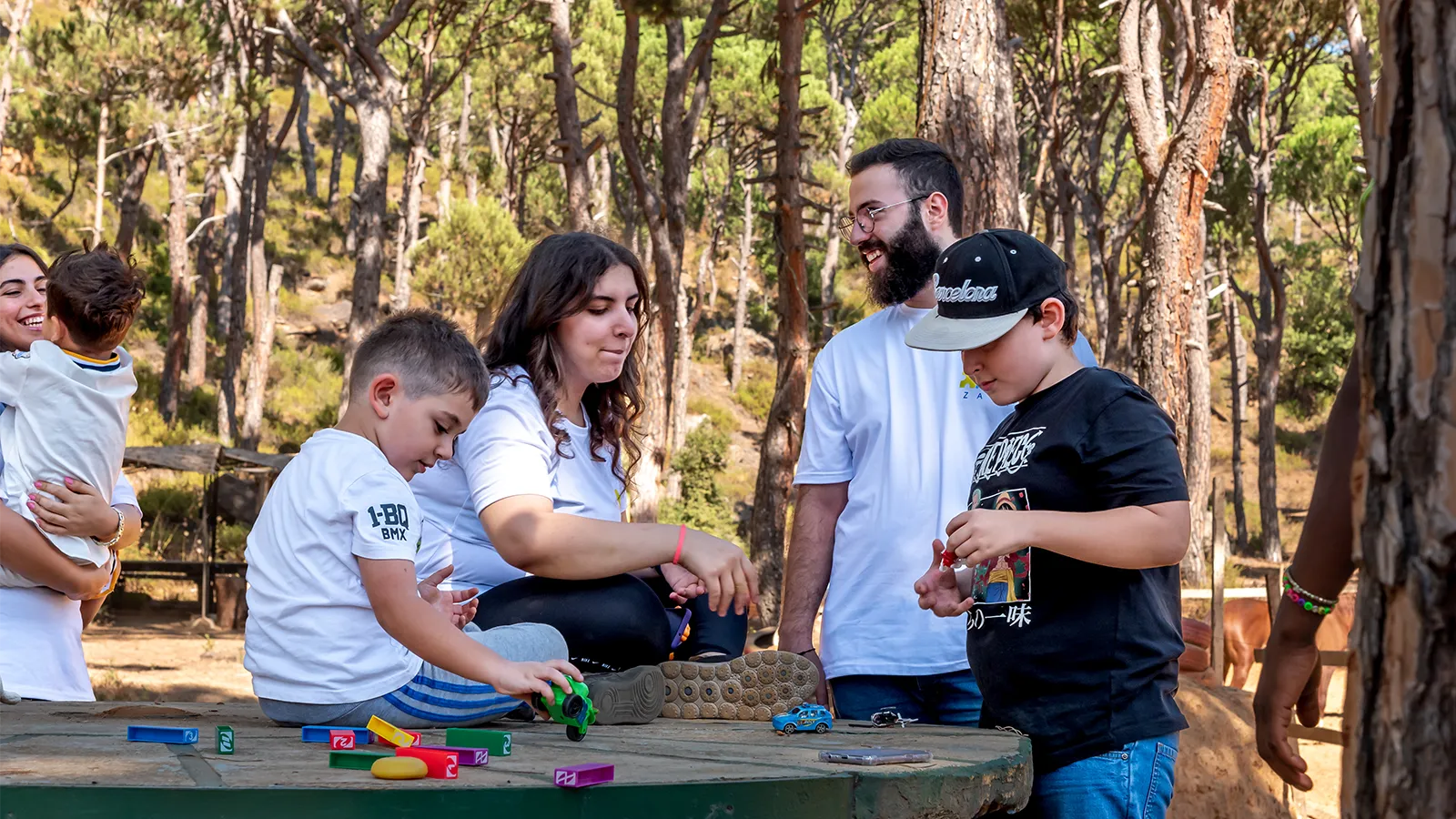
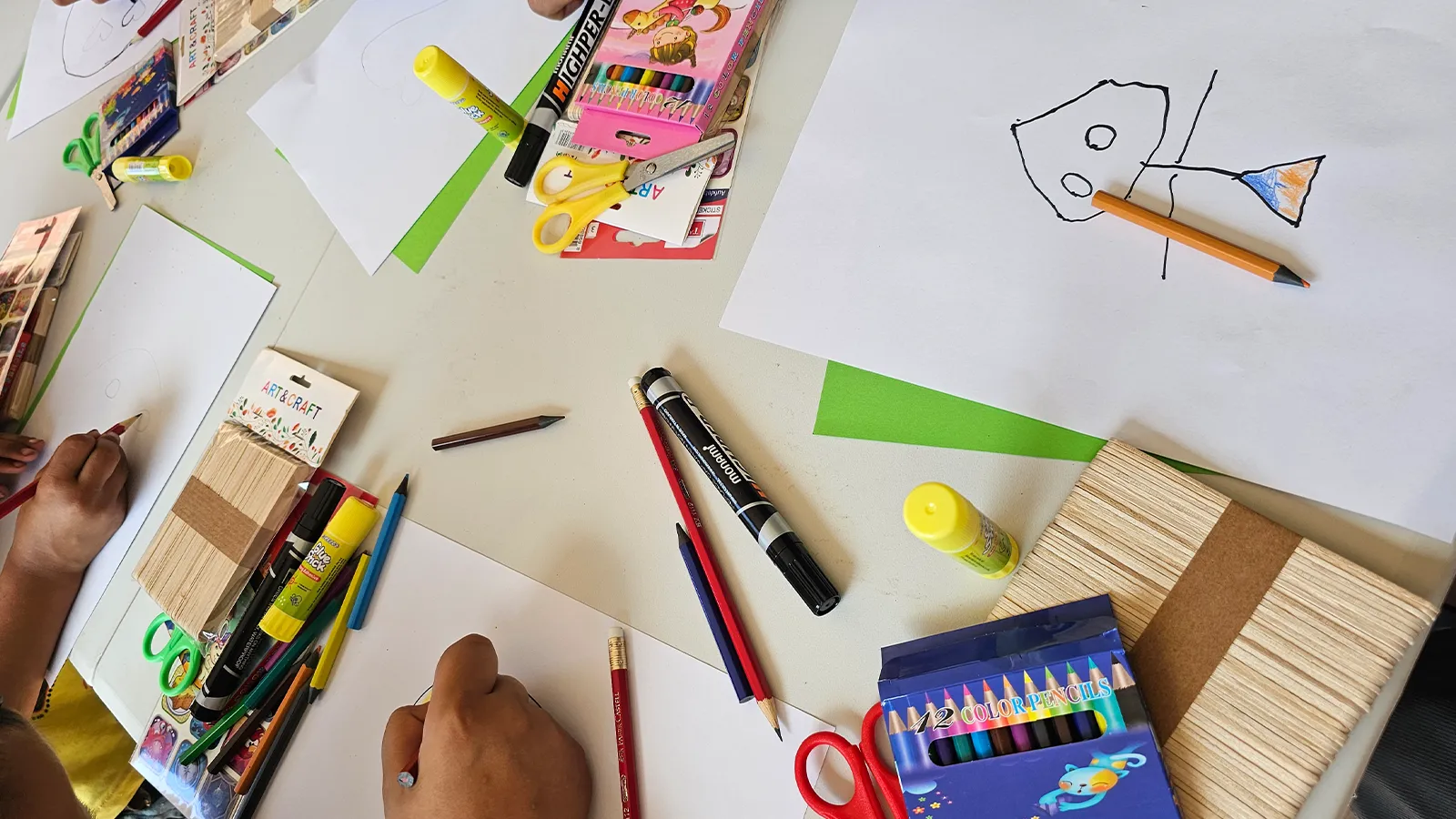
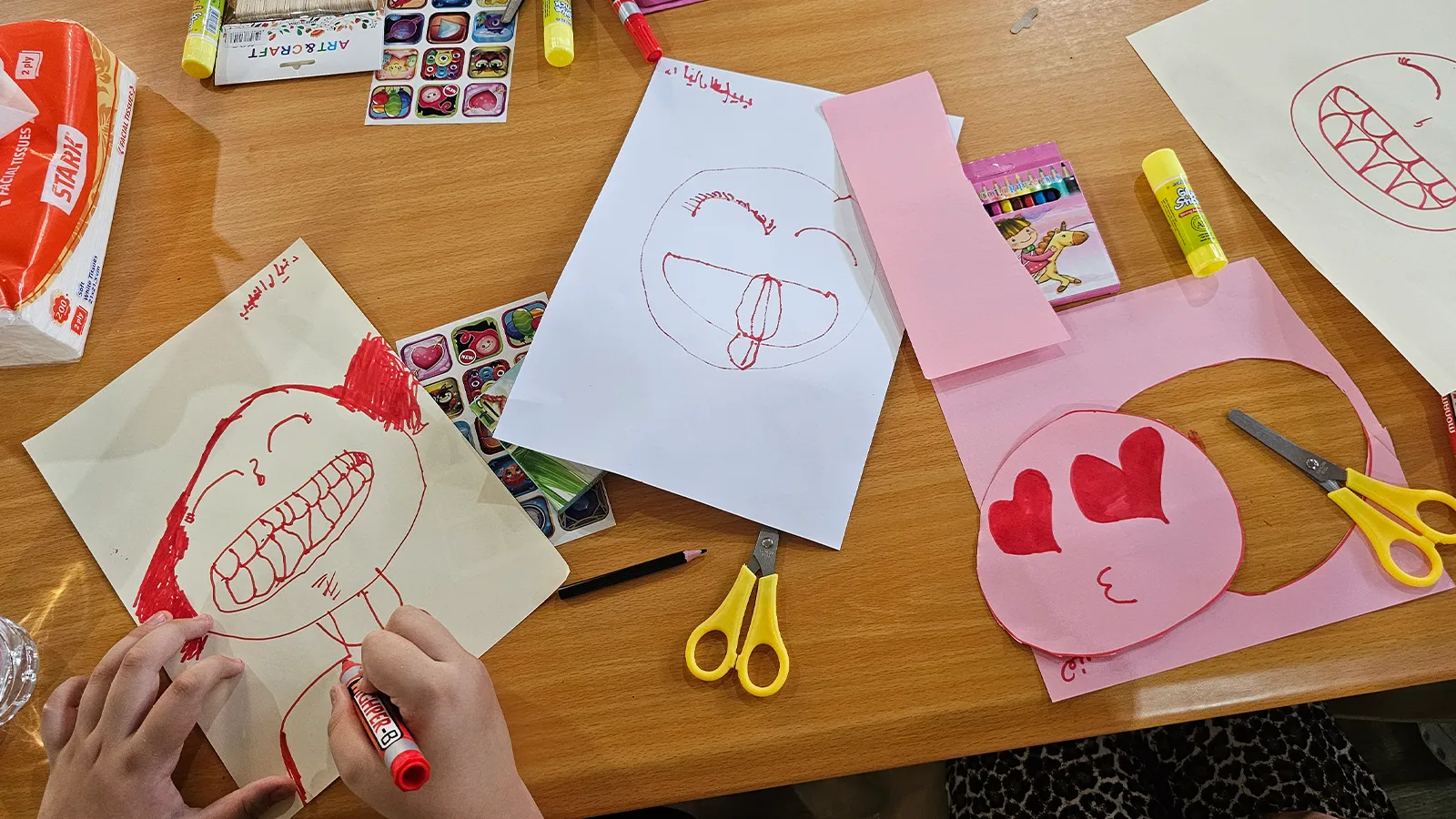
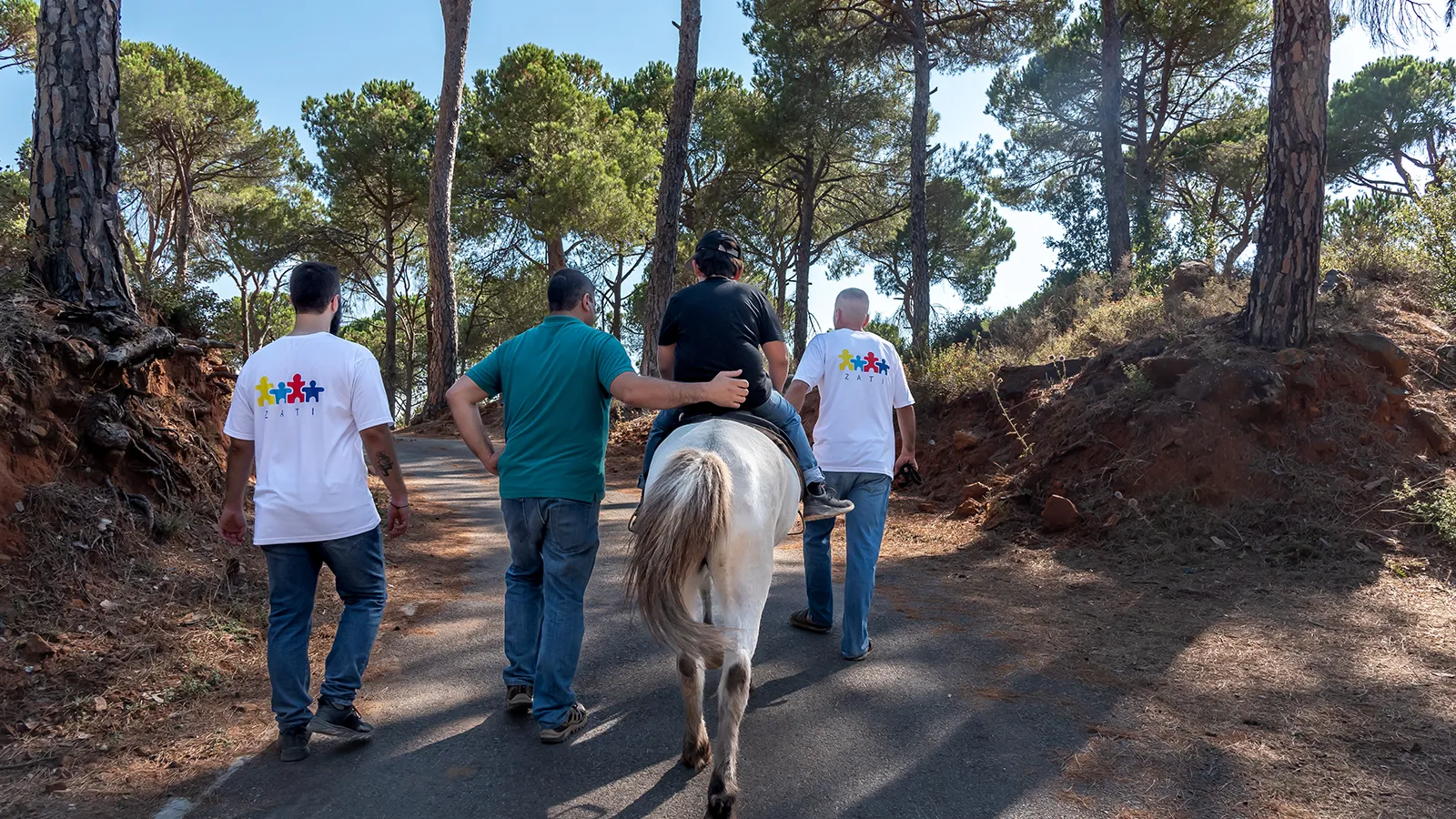
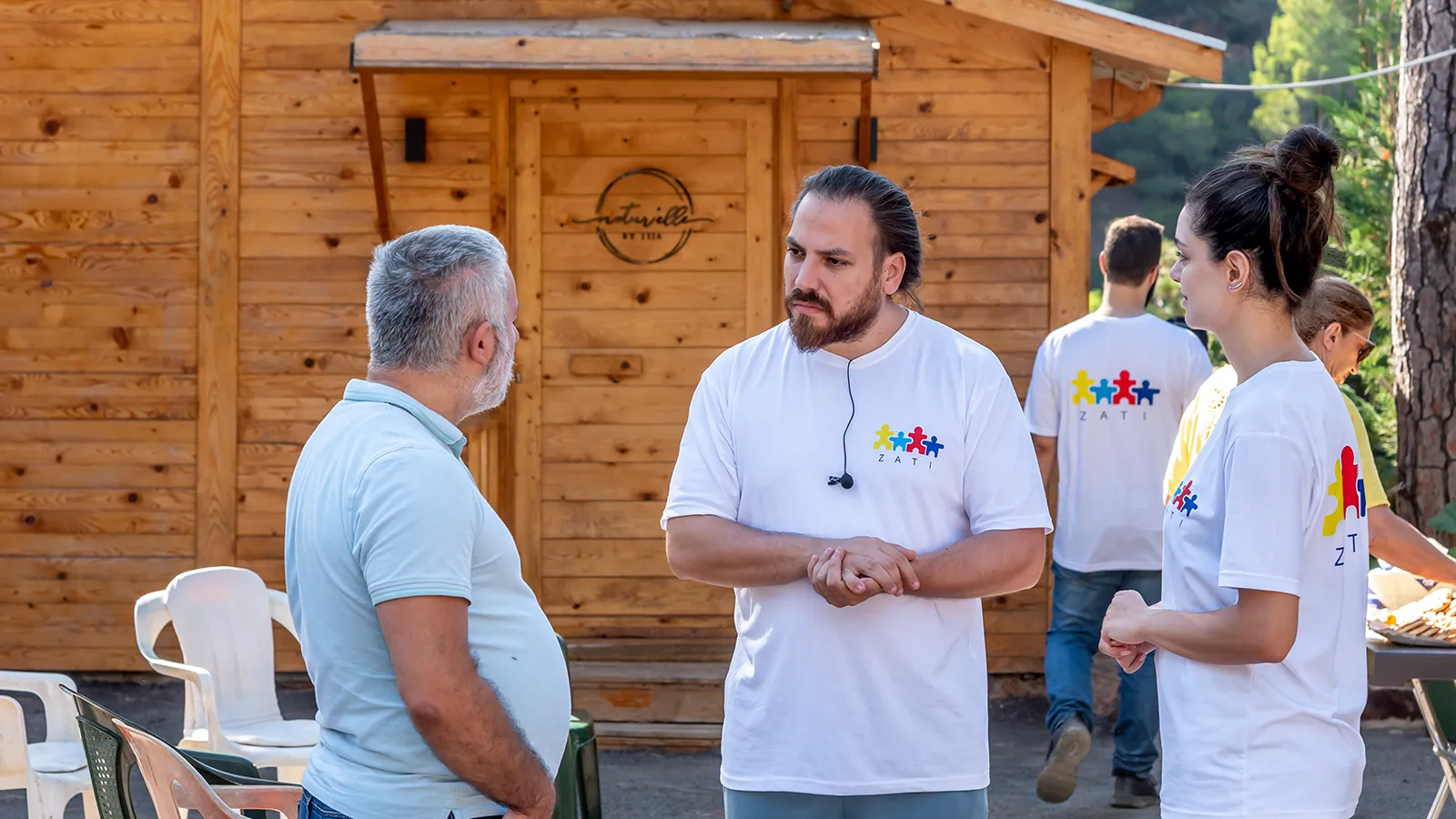
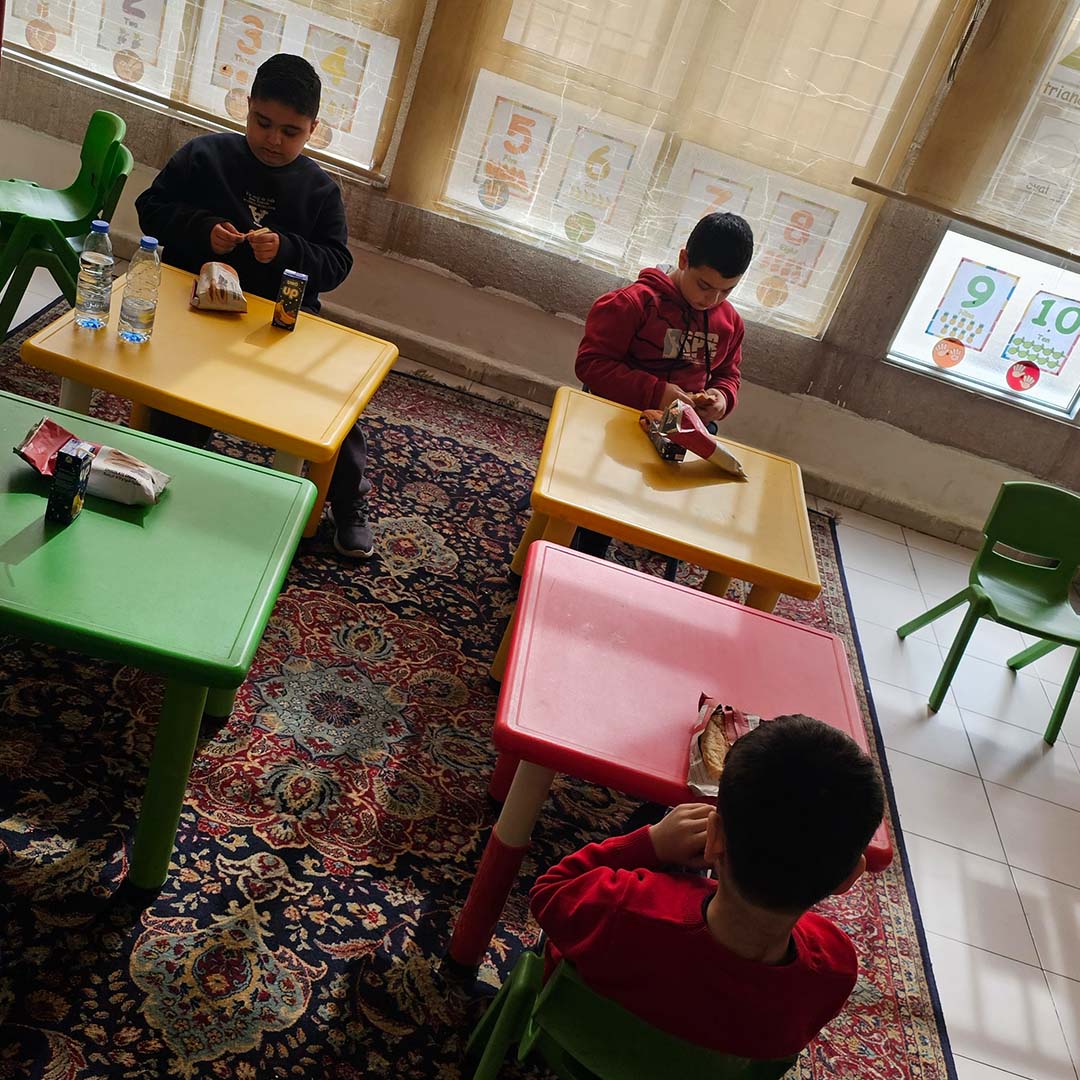
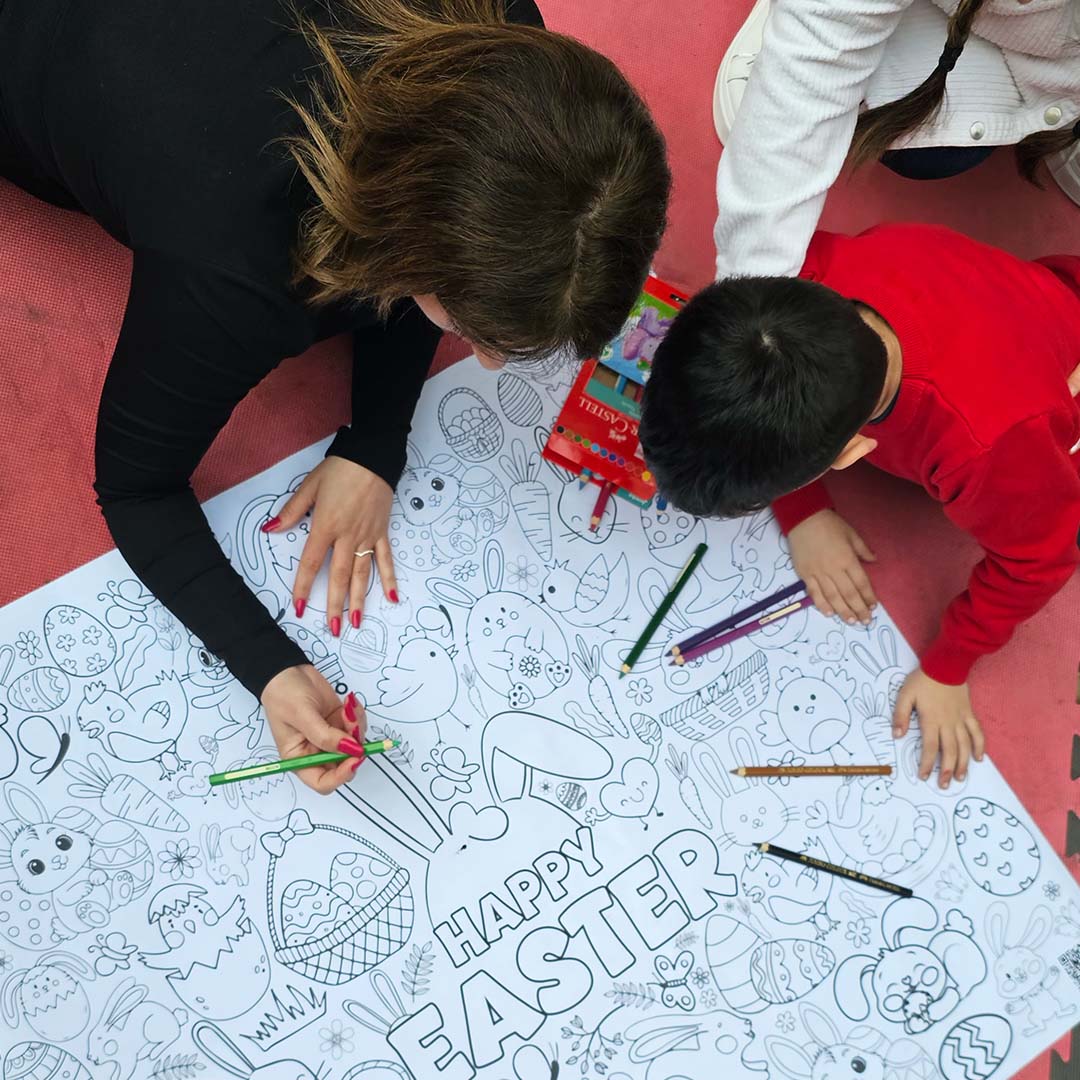
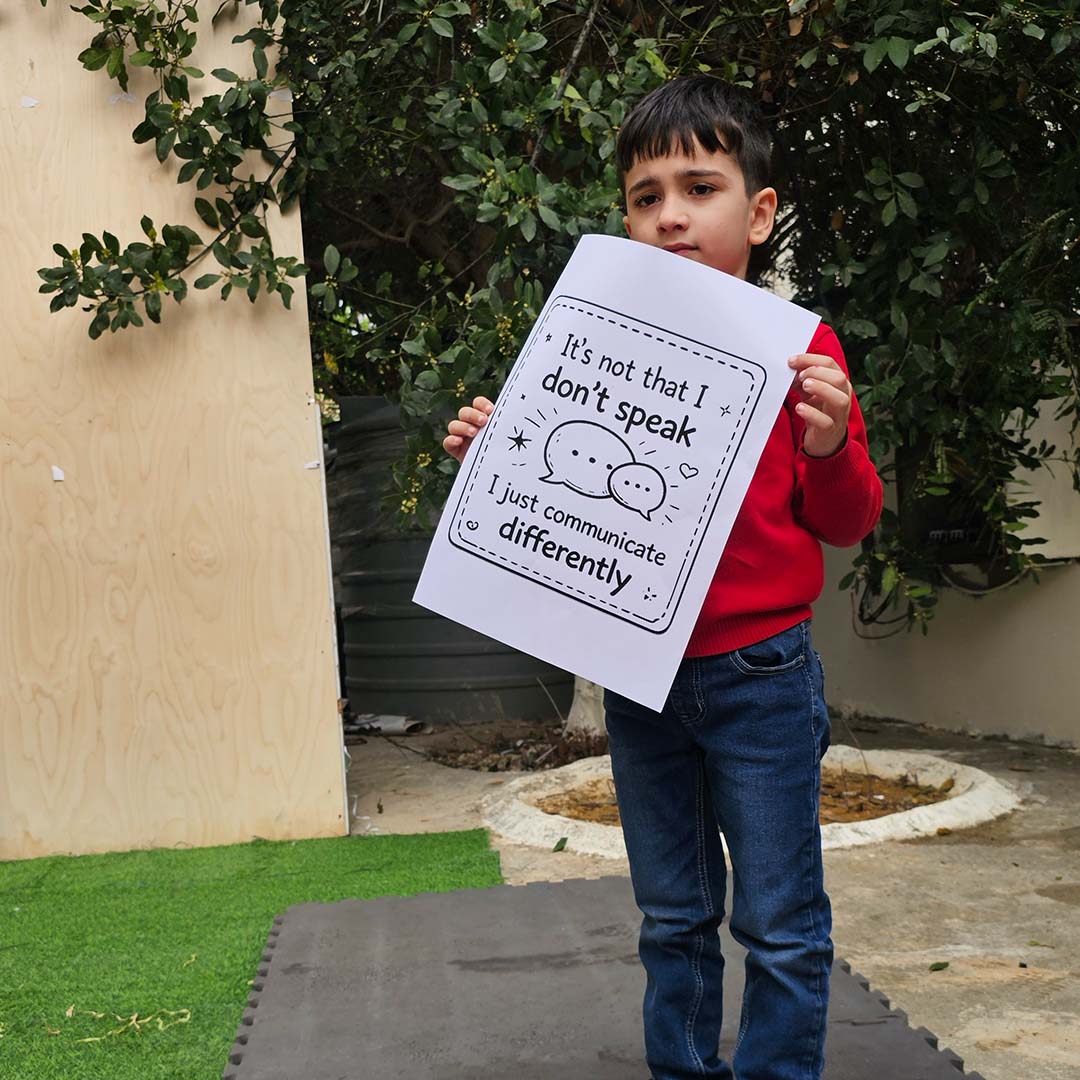
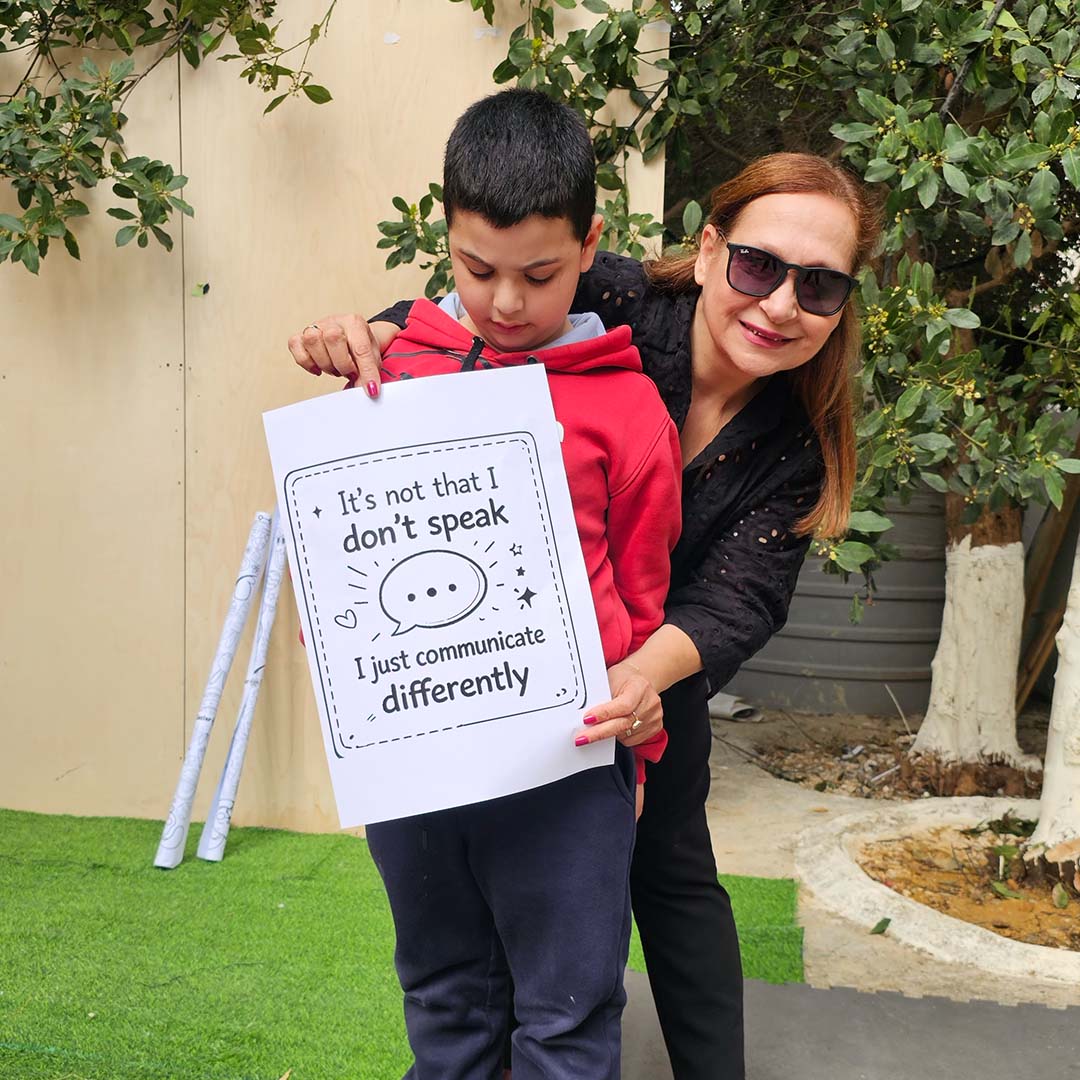
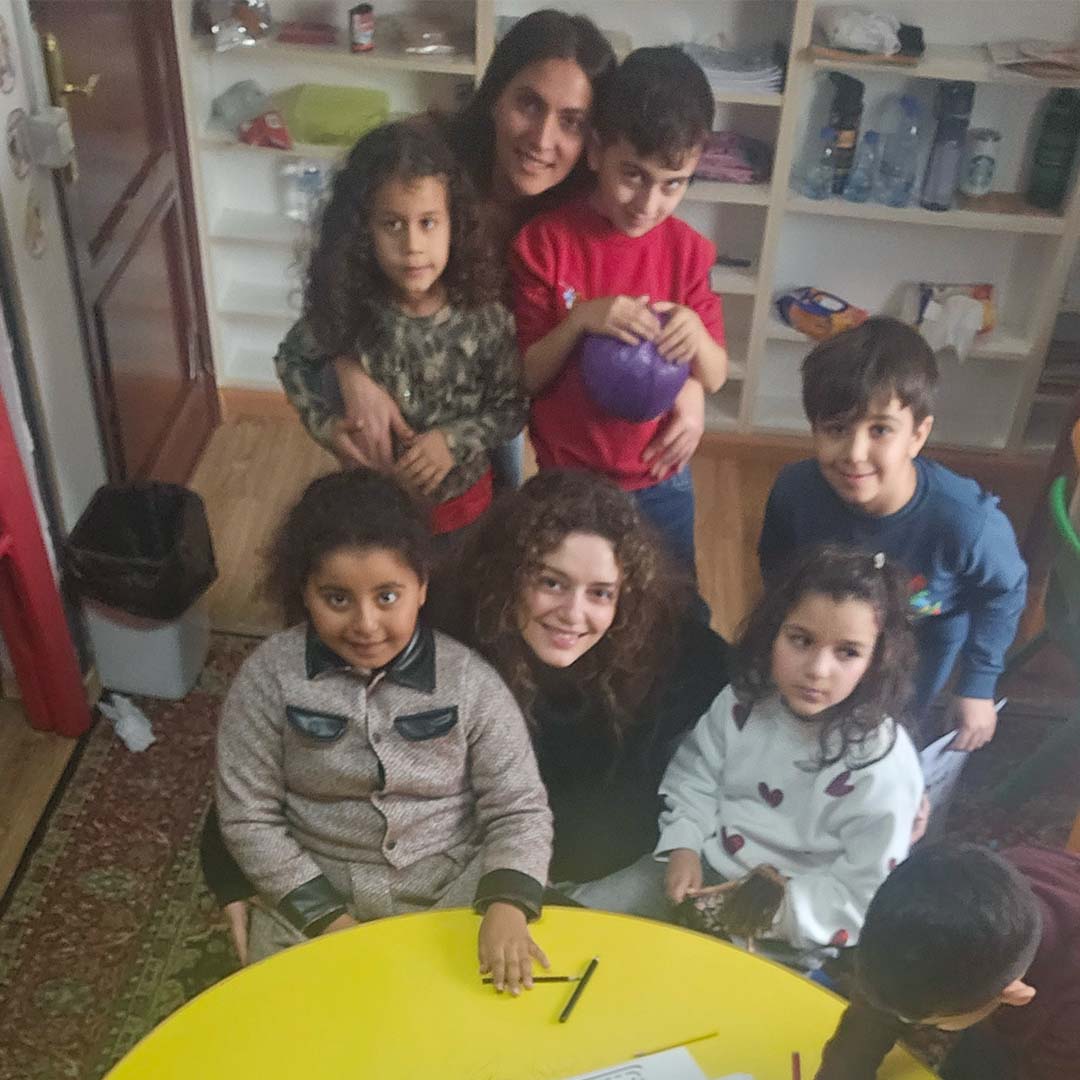
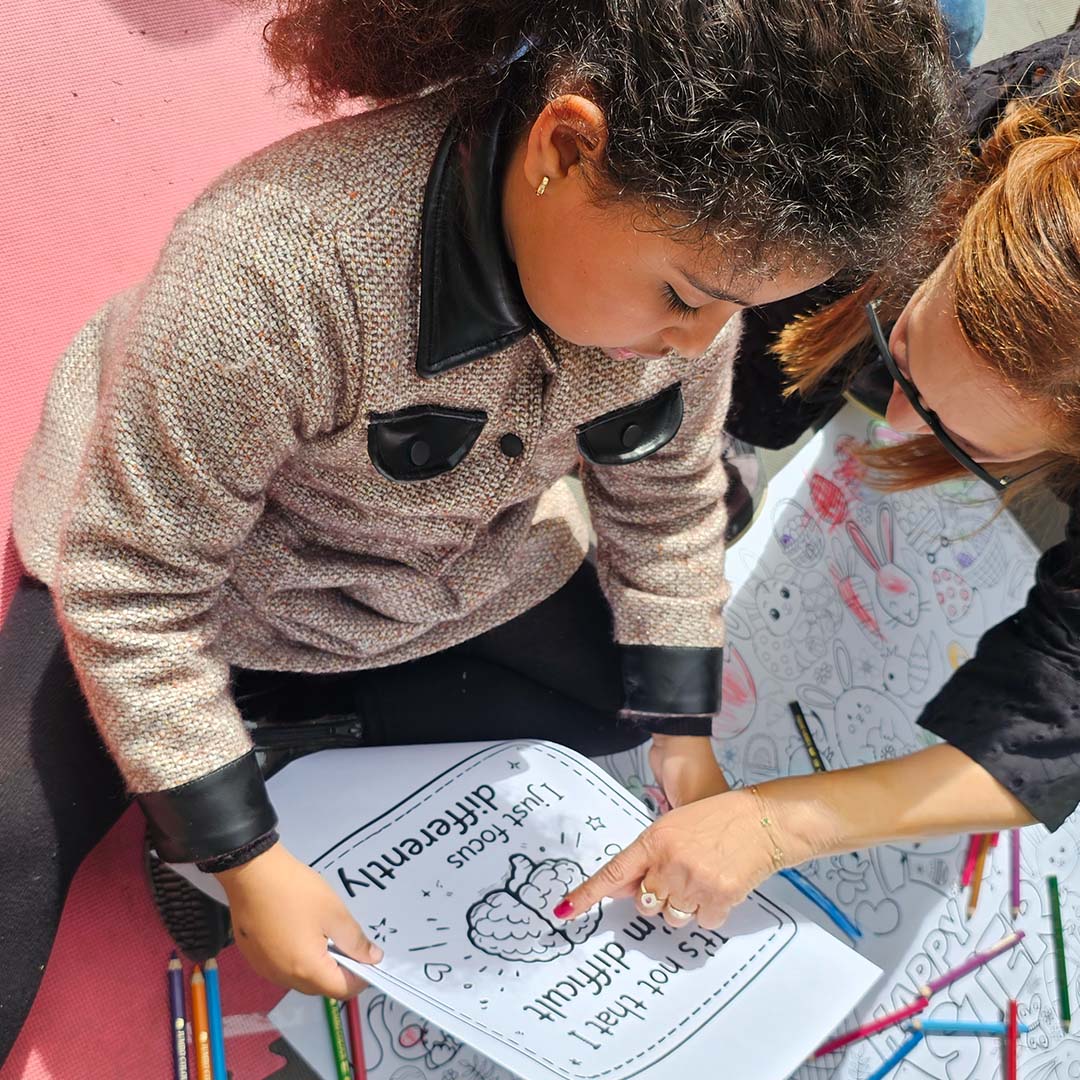
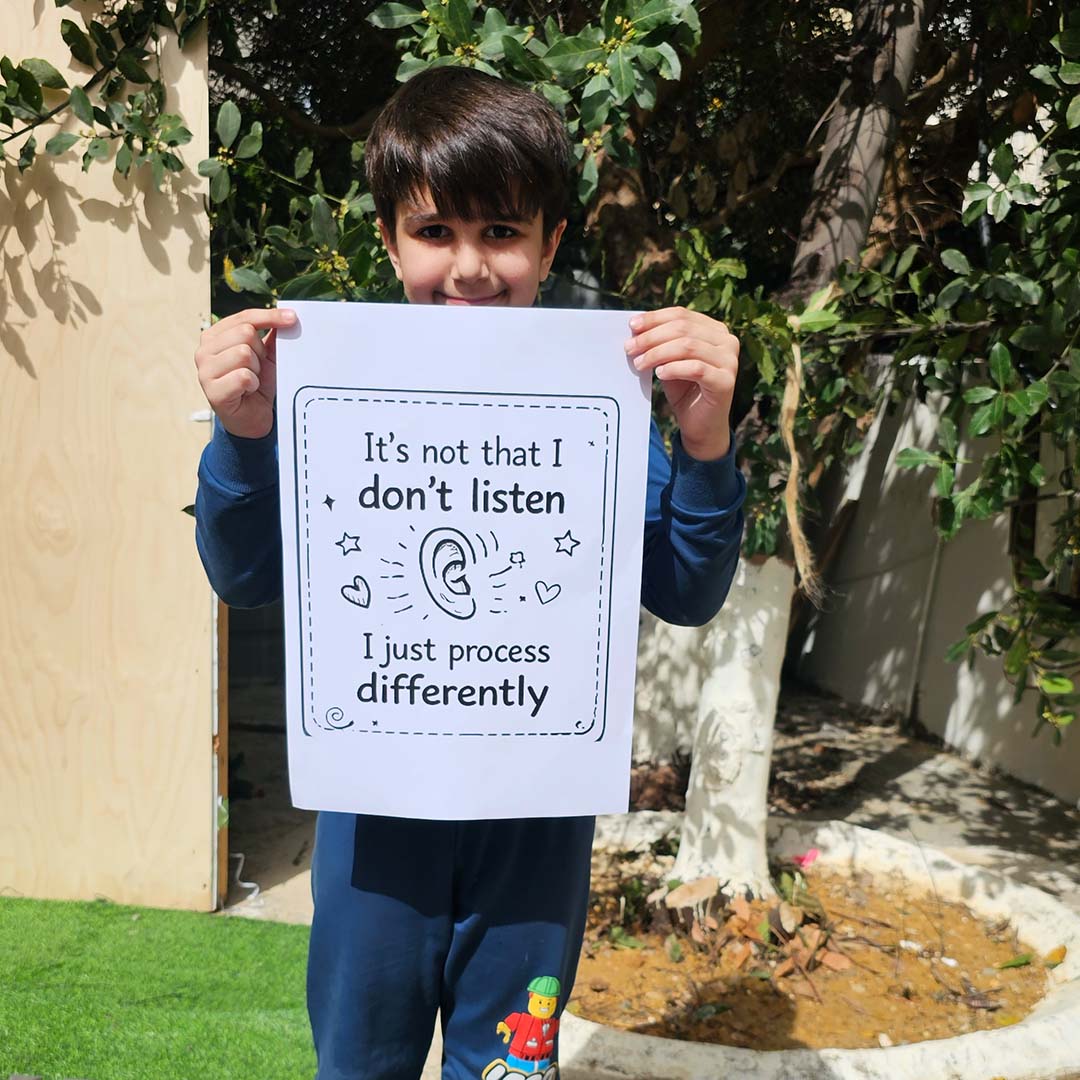
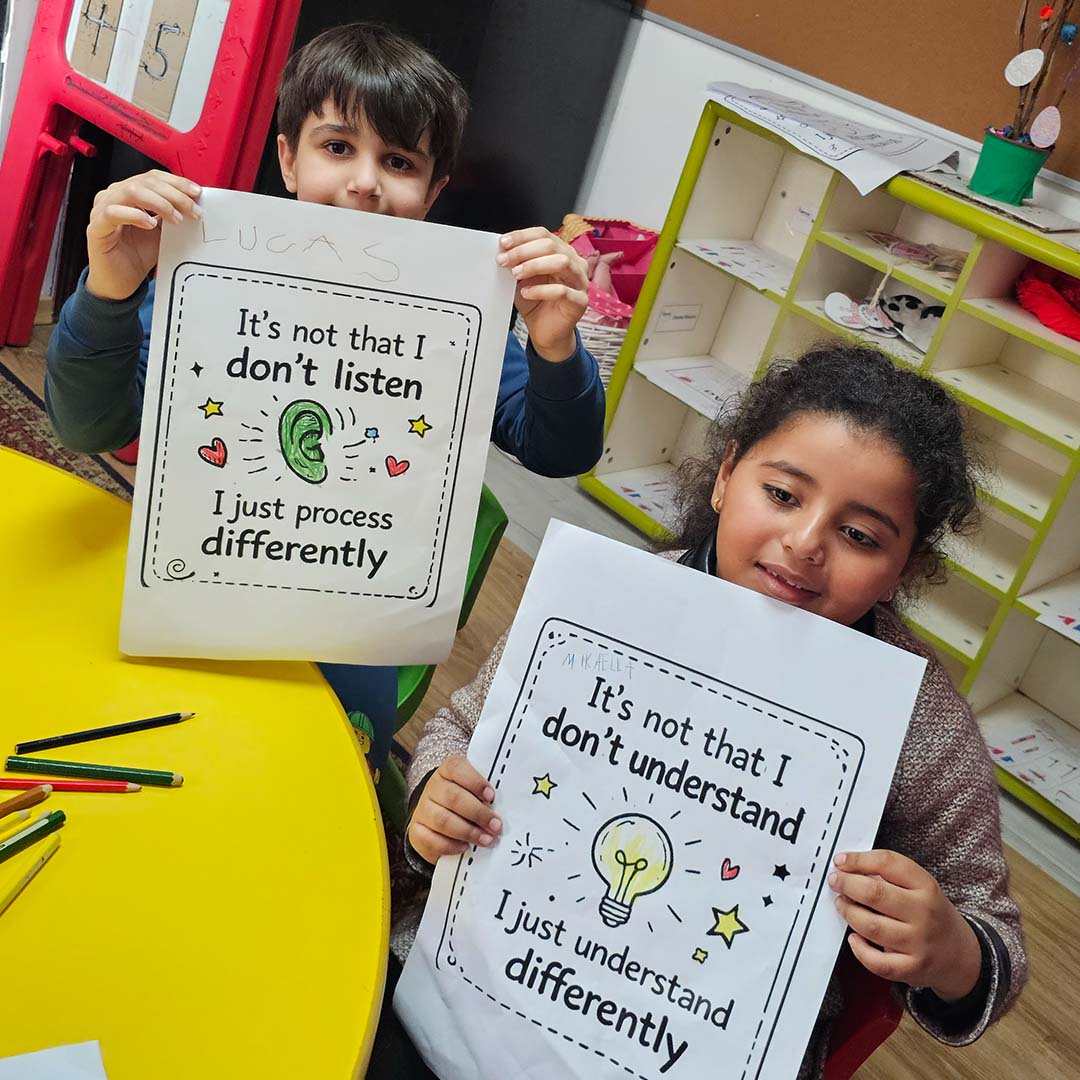
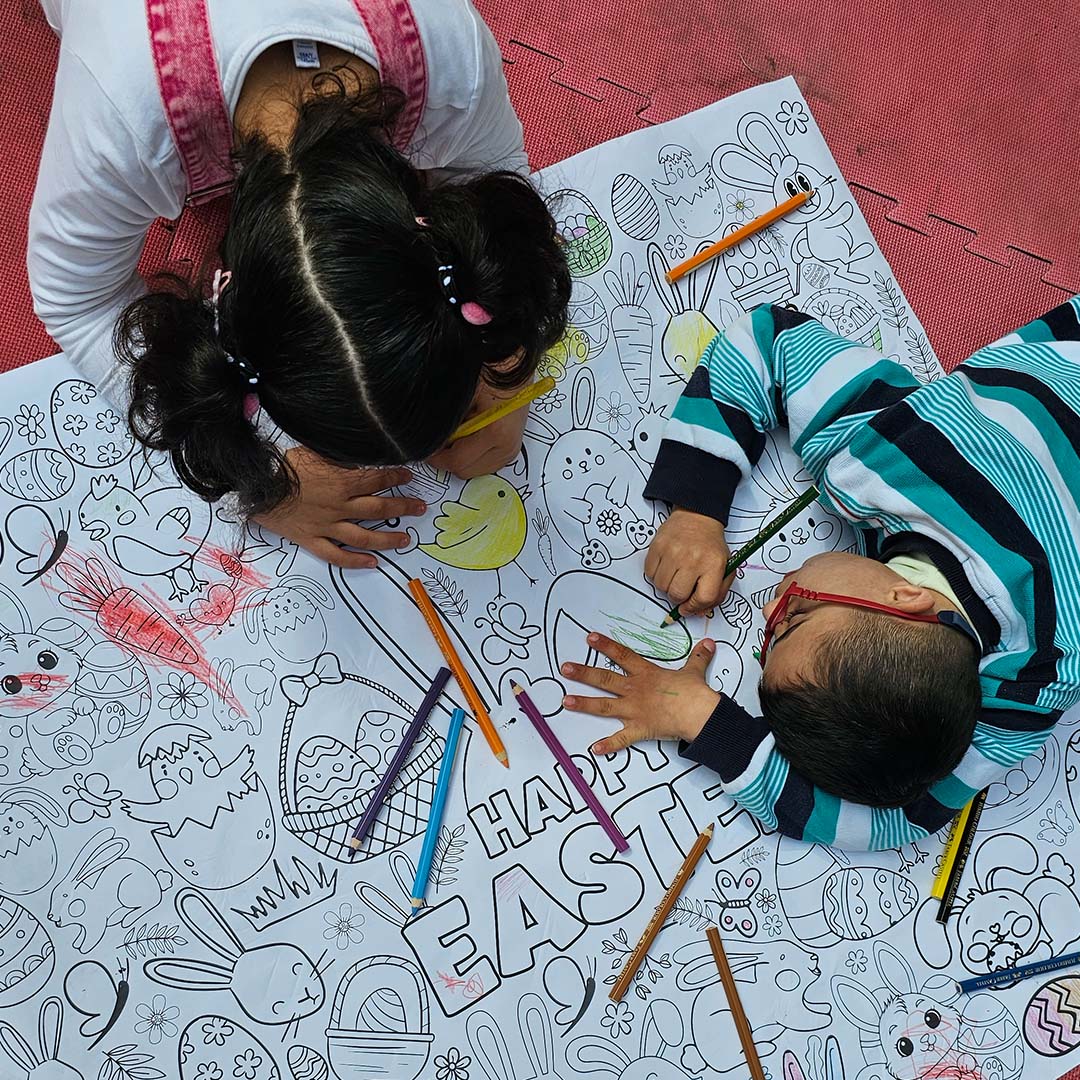
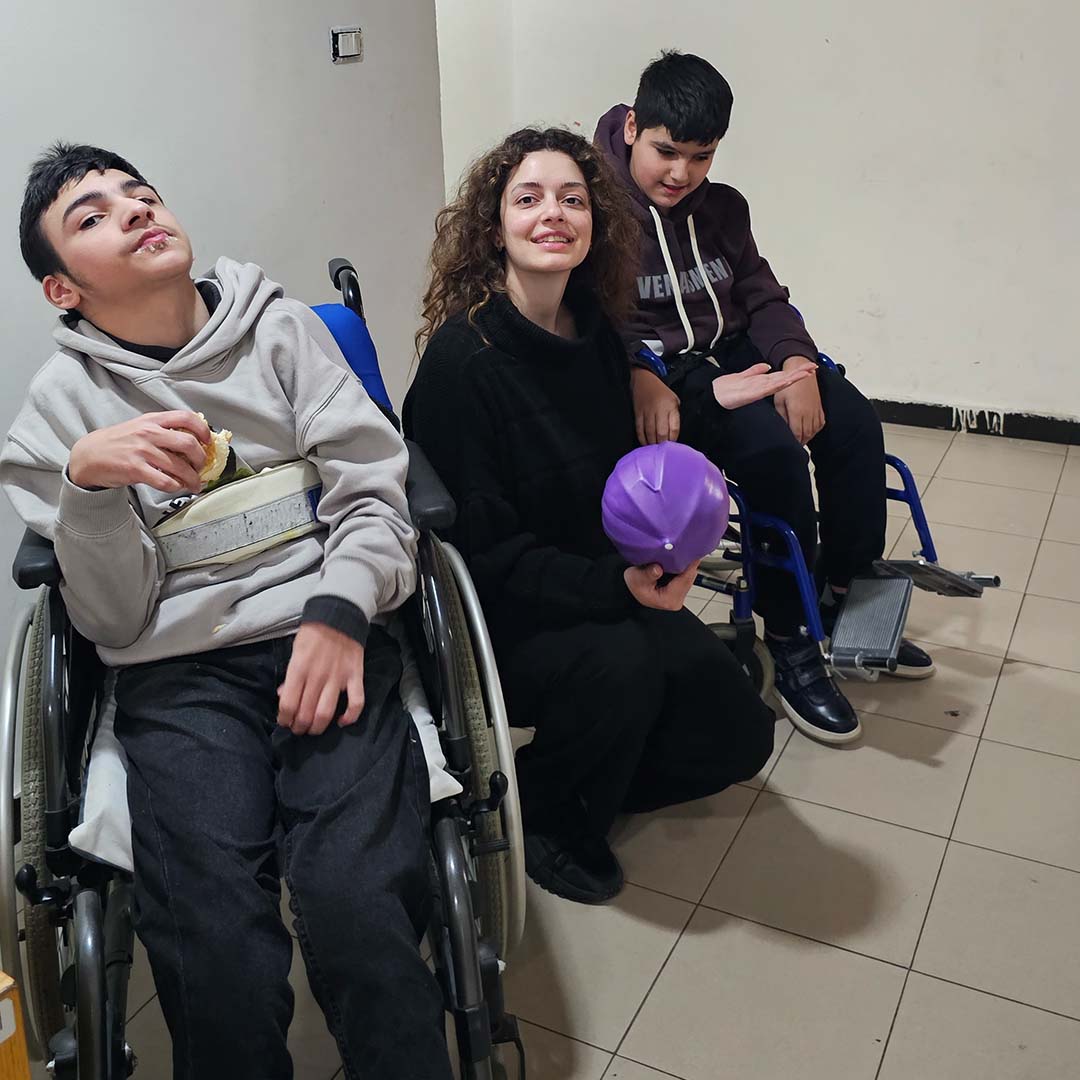
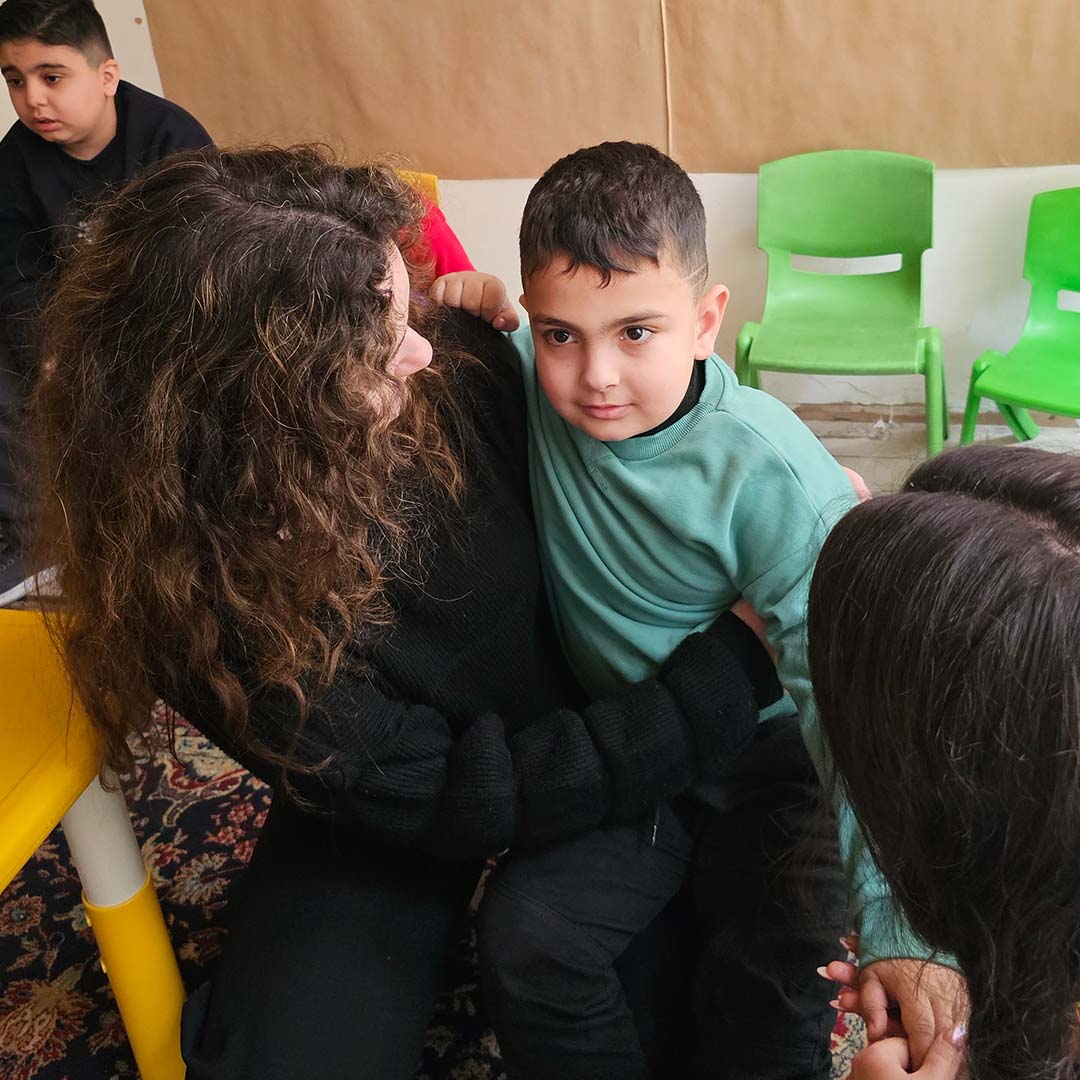
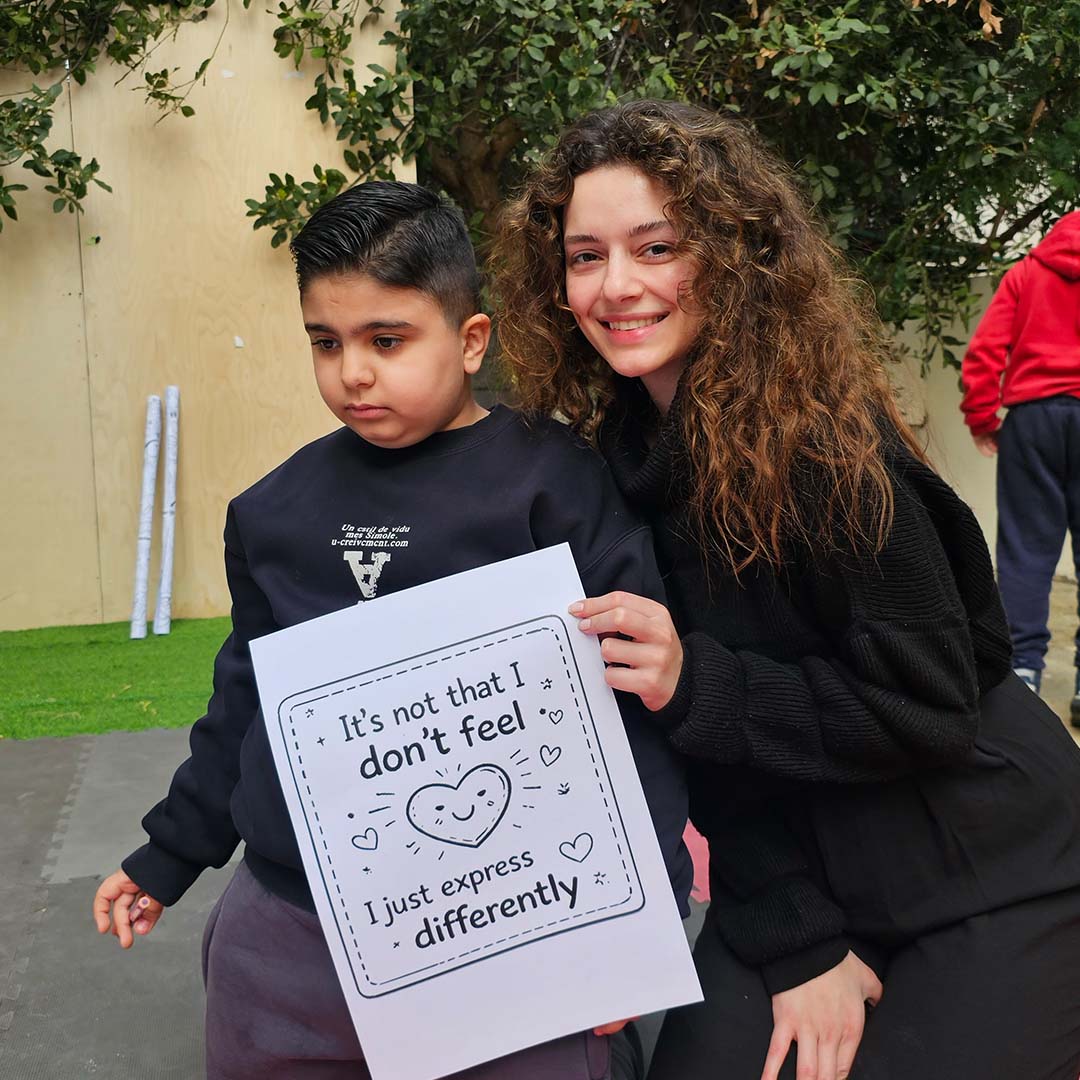
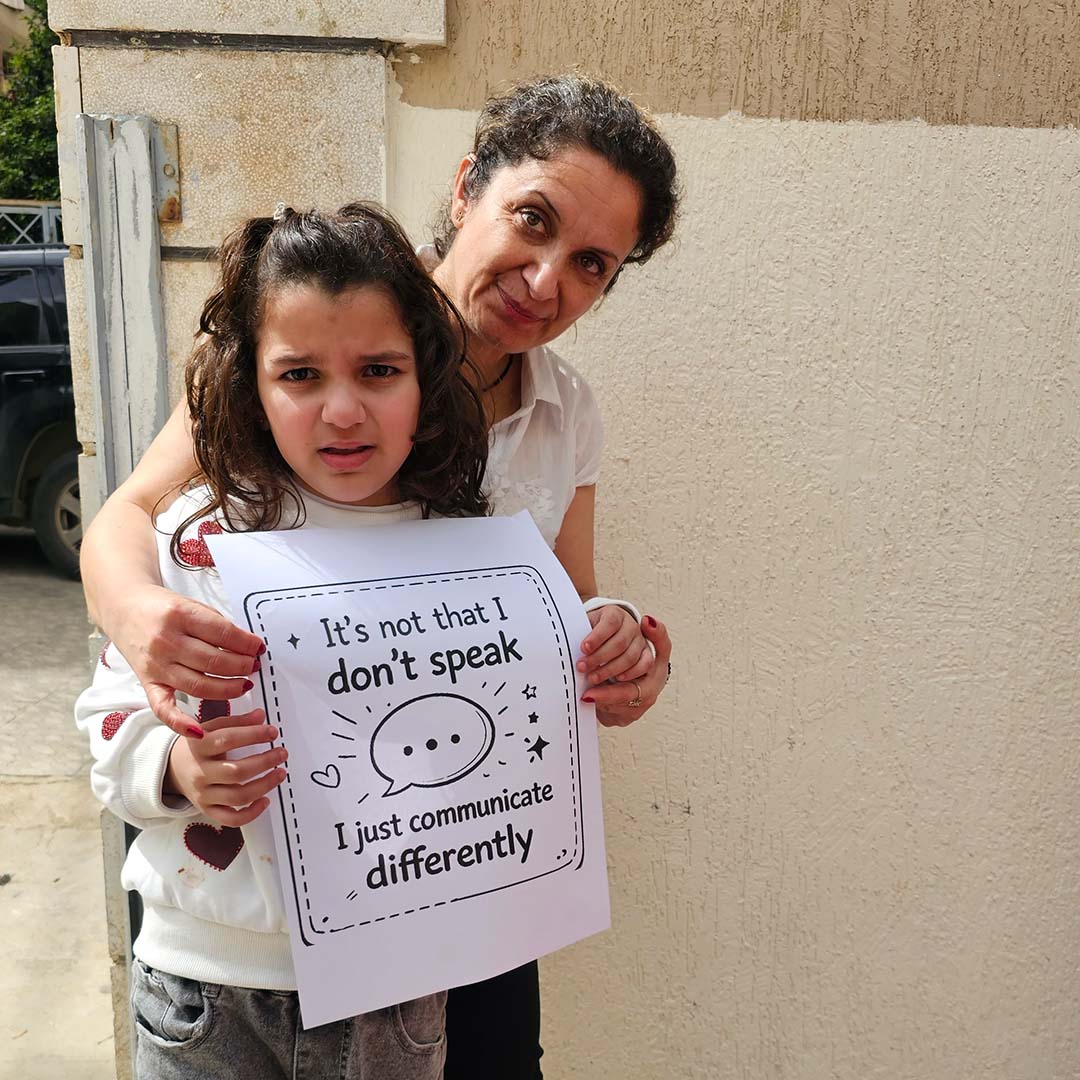
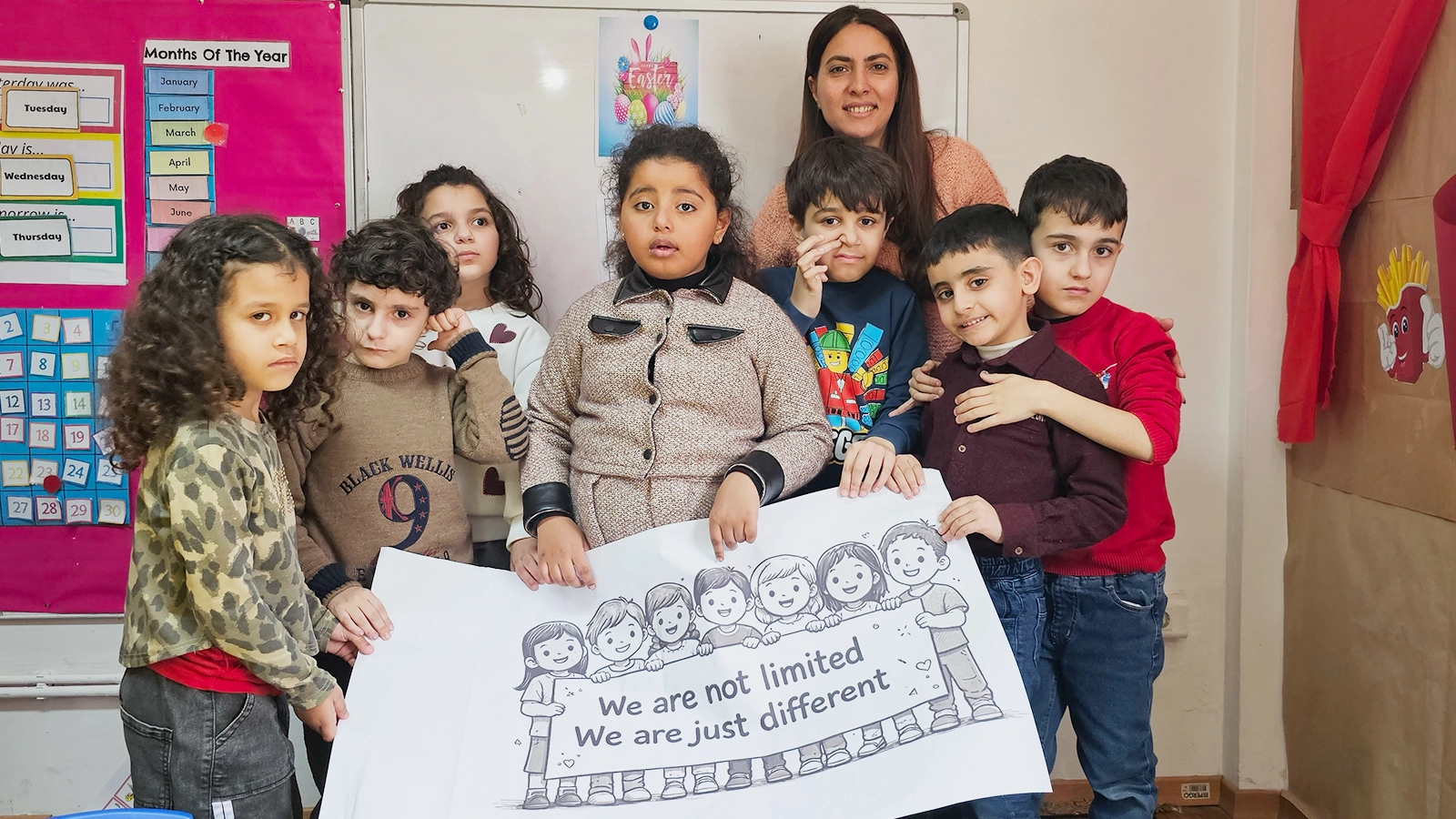
On April 2, in collaboration with Genius School New Rawda, an autism awareness event was held with children with autism in a school community that includes up to 60 neurodivergent children. The day was spent dancing, coloring, sharing space, and meeting each child individually. While simple in structure, these moments reflected key principles from both psychology and inclusive education: relationship-building, sensory-friendly engagement, creative expression, and respect for each child’s pace and mode of participation. Activities such as movement and coloring are not incidental; they can support emotional expression, social reciprocity, and child-adult connection in ways that are developmentally meaningful and educationally inclusive.
More importantly, the event offered a reminder that autism awareness is most powerful when it becomes lived practice. Meeting each child, rather than speaking only about autism in abstract terms, shifts awareness toward recognition of individuality. Dancing together creates shared joy. Coloring together creates space for expression without pressure. Presence itself becomes a form of inclusion. In that sense, the day at Genius School New Rawda was not only an awareness activity; it was a small but meaningful example of how schools and communities can create environments in which neurodivergent children are seen, welcomed, and engaged as full participants.
Ultimately, April 2 should invite educators, psychologists, families, and institutions to ask a deeper question: not only whether society is aware of autism, but whether it is prepared to respond with understanding, adaptation, and inclusion. Events such as the one held at Genius School New Rawda matter because they translate values into action. They show that awareness can begin with one day, but inclusion must continue every day after it.
Selected References
World Health Organization. Autism fact sheet and Q&A.
UNESCO. Inclusion in education.
Gibson, J. L., et al. (2021). Play-based interventions to support social and communication development in autistic children: A systematic review.
Petersson-Bloom, L., et al. (2022). Strategies in supporting inclusive education for autistic students: A systematic review.
Bernier, A., et al. (2022). Art interventions for children with autism spectrum disorder: A systematic review.
Martínez-Vérez, V., et al. (2024). Interventions through art therapy and music therapy in children with autism spectrum disorder.
Elbeltagi, R., et al. (2023). Play therapy in children with autism: Its role, implications, and limitations.
Srinivasan, S. M., et al. (2013). Music and movement therapies for children with autism spectrum disorders.