Autism at the Core, Mental Health at the Heart
Zati Lebanon was founded in response to a growing, visible, and often overlooked reality in Lebanon: the rising prevalence of autism, combined with a fragile mental health system shaped by decades of collective trauma. Autism Spectrum Disorder (ASD) is a lifelong neurodevelopmental condition affecting communication, behavior, and social interaction. Globally, autism prevalence has increased significantly over the past two decades. According to the Centers for Disease Control and Prevention (CDC), 1 in every 31 children is now identified with autism—a sharp increase compared to previous years, largely due to improved awareness, screening, and diagnostic practices.
In Lebanon, available studies estimate autism prevalence rates ranging from 49 to over 500 per 10,000 children, indicating that autism is not rare, yet remains under-diagnosed and under-supported. Families often face limited access to early screening, intervention services, inclusive education, and psychosocial support. Research consistently shows that early identification and family-centered interventions significantly improve developmental outcomes and quality of life for children on the spectrum. However, without systemic support, families are left to navigate autism alone—emotionally, financially, and socially.
Autism Does Not Exist in Isolation
While autism is central to our work, we recognize that neurodevelopmental conditions do not exist outside their environments. In Lebanon, families raising children with autism do so within a context of chronic stress, instability, and unresolved trauma. Over the past two decades, Lebanese communities have endured repeated wars, displacement, economic collapse, the COVID-19 pandemic, and the Beirut Port explosion in August 2020—one of the largest non-nuclear explosions in history.
Scientific evidence shows that cumulative exposure to trauma significantly increases rates of depression, anxiety, and post-traumatic stress disorder (PTSD). Studies after the Beirut Port explosion found that 43–64% of exposed individuals reported clinically significant symptoms of psychological distress. Moreover, trauma in Lebanon is not only individual—it is transgenerational. Research shows psychological distress can be transmitted through parenting styles, attachment patterns, and chronic stress exposure, particularly in conflict-affected societies.
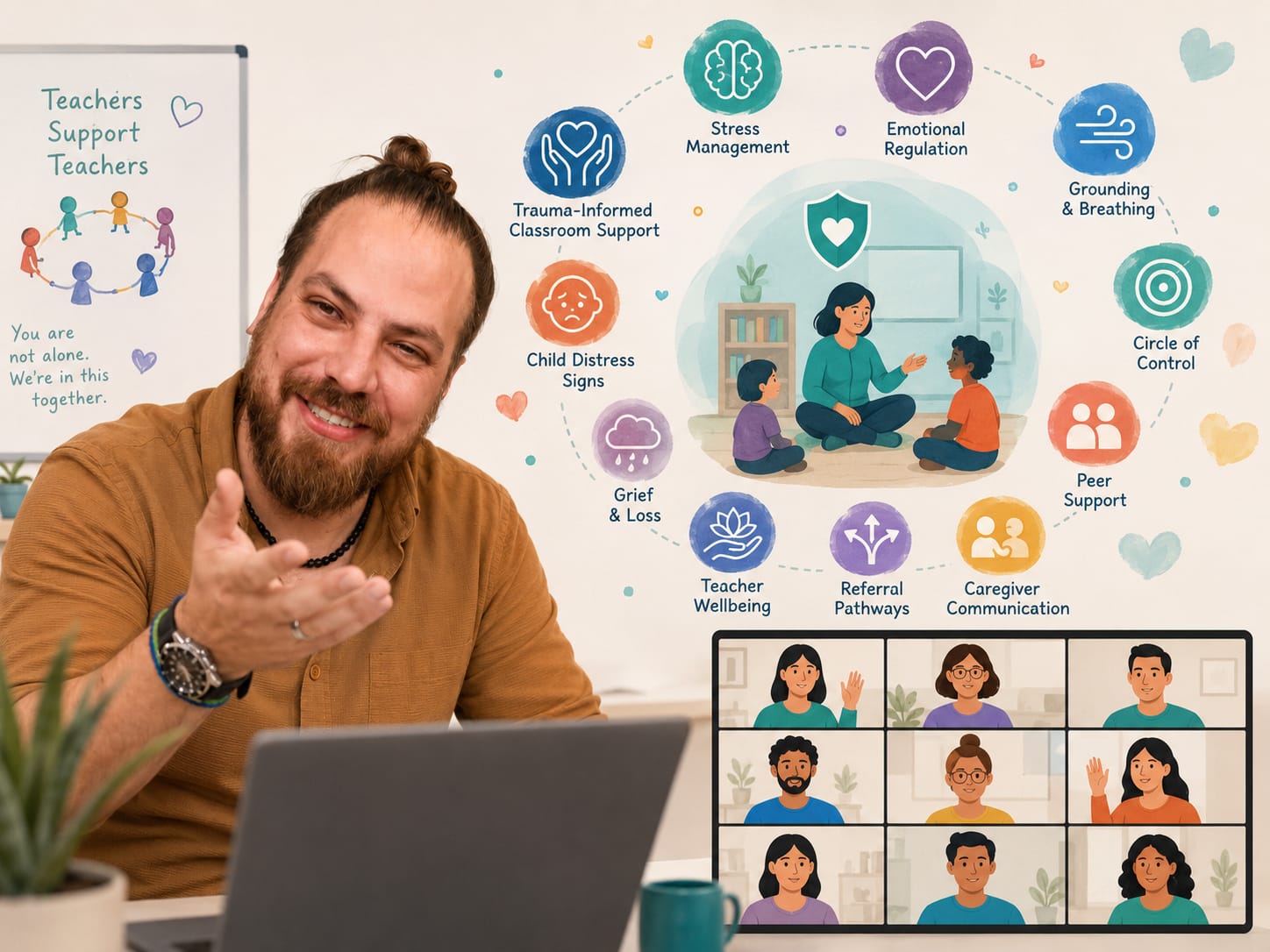
This reality directly affects parents of children with autism, caregivers, and children’s emotional regulation and development. That is why Zati Lebanon integrates mental health and psychosocial support (MHPSS) as a core component of autism-related work.
Our Mission & Vision
Mission: Zati Lebanon strengthens autism support and mental health care in Lebanon through evidence-based, inclusive, and community-centered approaches. We aim to:
- Support children with autism through early identification, psychosocial intervention, and family guidance
- Empower caregivers with knowledge, coping tools, and psychological support
- Address broader mental health needs of individuals and communities affected by chronic trauma
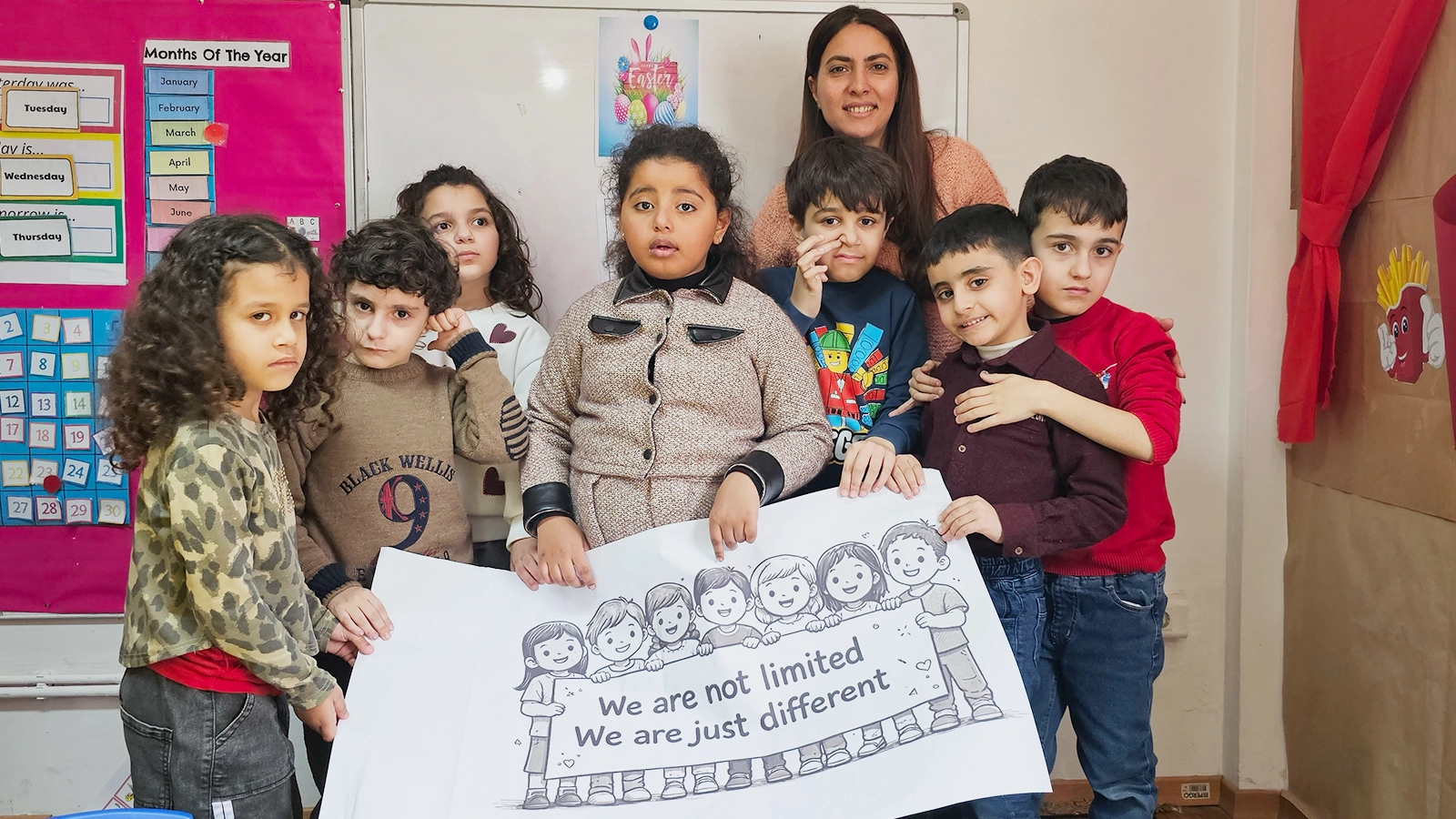
- Promote inclusion, dignity, and resilience across neurodiverse and neurotypical populations
- Advocate for systemic change to ensure children with autism and their families have equitable access to services, education, and community support.
Vision: A Lebanon where:
- Autism is understood, supported, and included, not stigmatized
- Mental health care is accessible, humane, and grounded in science
- Families are not left alone in crisis
- Communities heal, adapt, and grow stronger together
- Advocacy is central to ensuring inclusive policies and societal recognition of neurodiverse individuals.
Core Values: Evidence-based practice, inclusion & neurodiversity, family-centered care, trauma-informed action, and community empowerment.
Pilot Programs: Horse Riding and Community Outings
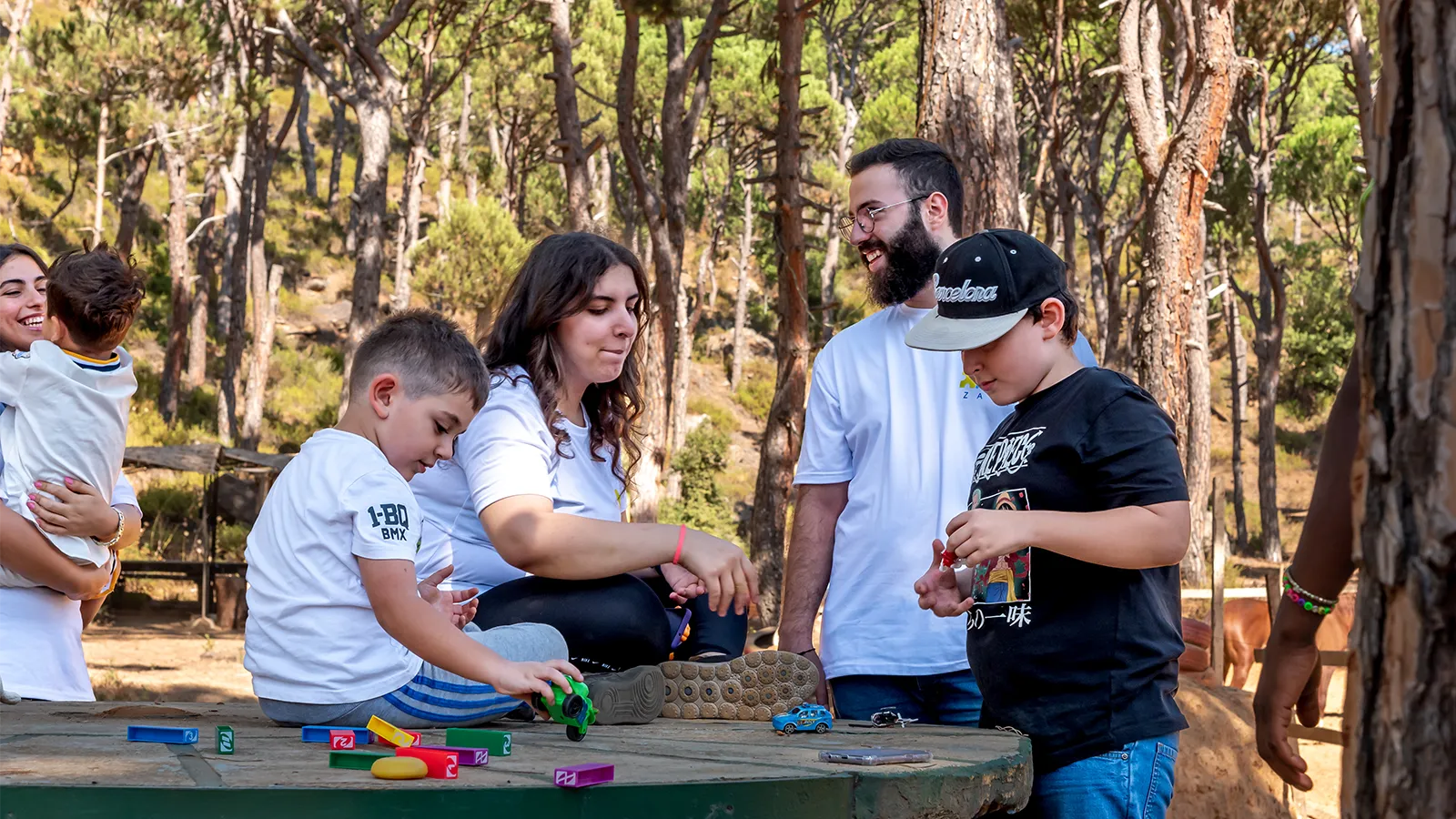
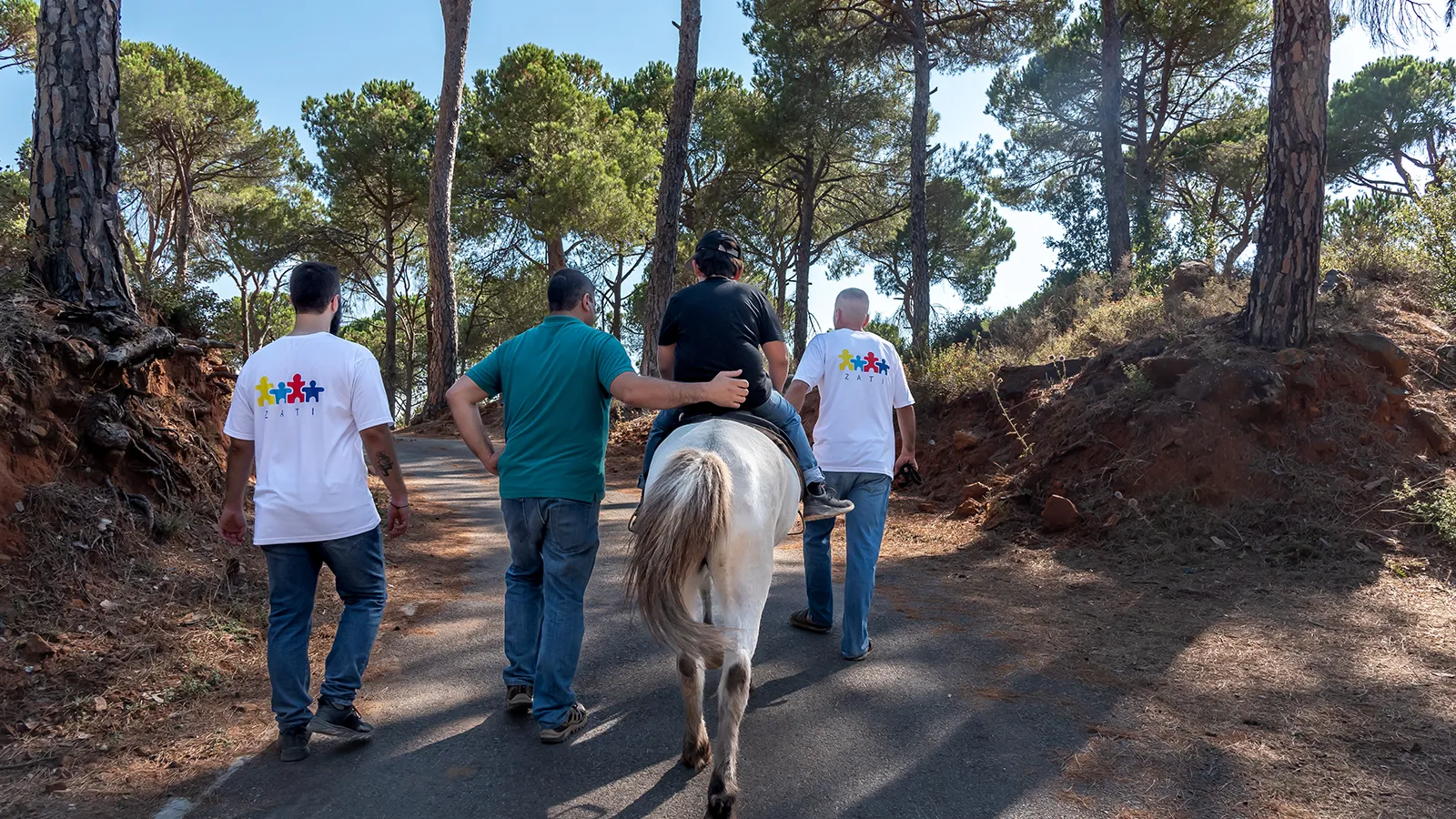
In our pilot year, 8 children with autism participated in weekly horse riding sessions and structured community outings. After completing 12 horse riding sessions, facilitators observed notable improvements across key developmental areas. Social interaction, including eye contact and turn-taking, increased from an average of 2.3/5 to 3.2, reflecting a 39% improvement. Repetitive behaviors decreased from 7.2/10 to 5.5, a 24% reduction. Emotional regulation, such as mood swings and frustration tolerance, improved from 2.7/5 to 3.5, marking a 30% increase. Adaptive behaviors, including following instructions and cooperating with facilitators, rose from 50% compliance to 65%, a 30% improvement.
Structured community outings further supported development. After three to four outings, children demonstrated increased patience (from 2.0/5 to 2.8), group cooperation and teamwork (2.1 to 3.0), communication skills (1.7 to 2.5), and a reduction in disruptive behaviors (7.5/10 to 6.0). Facilitators recorded that 3–5 of the 8 children showed noticeable improvements in social, emotional, and adaptive skills. These achievements confirm that combining therapeutic horse riding with community engagement can meaningfully enhance development while providing enjoyable and enriching experiences.
Healing Together: Strengthening Mental Health and Resilience
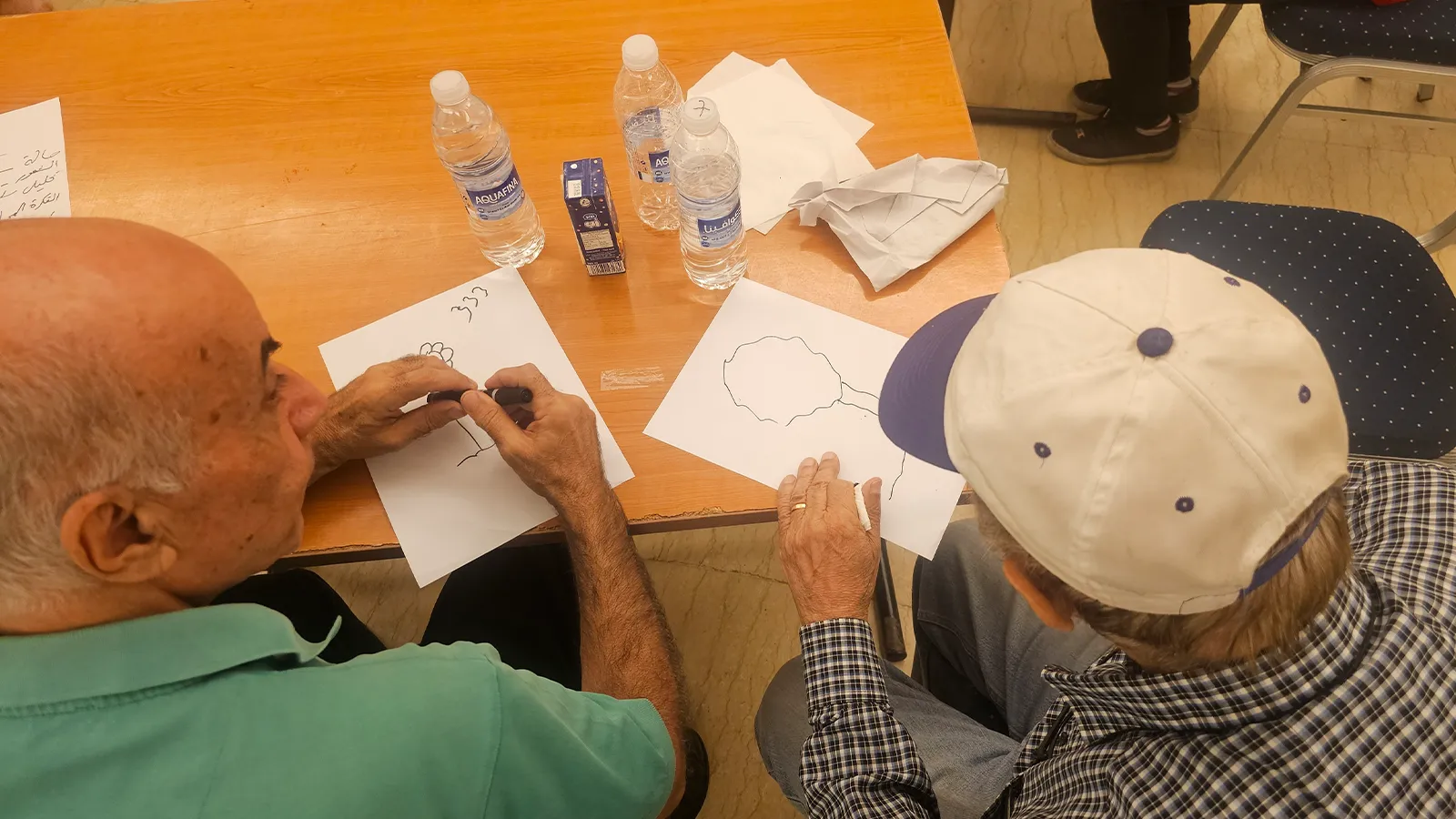
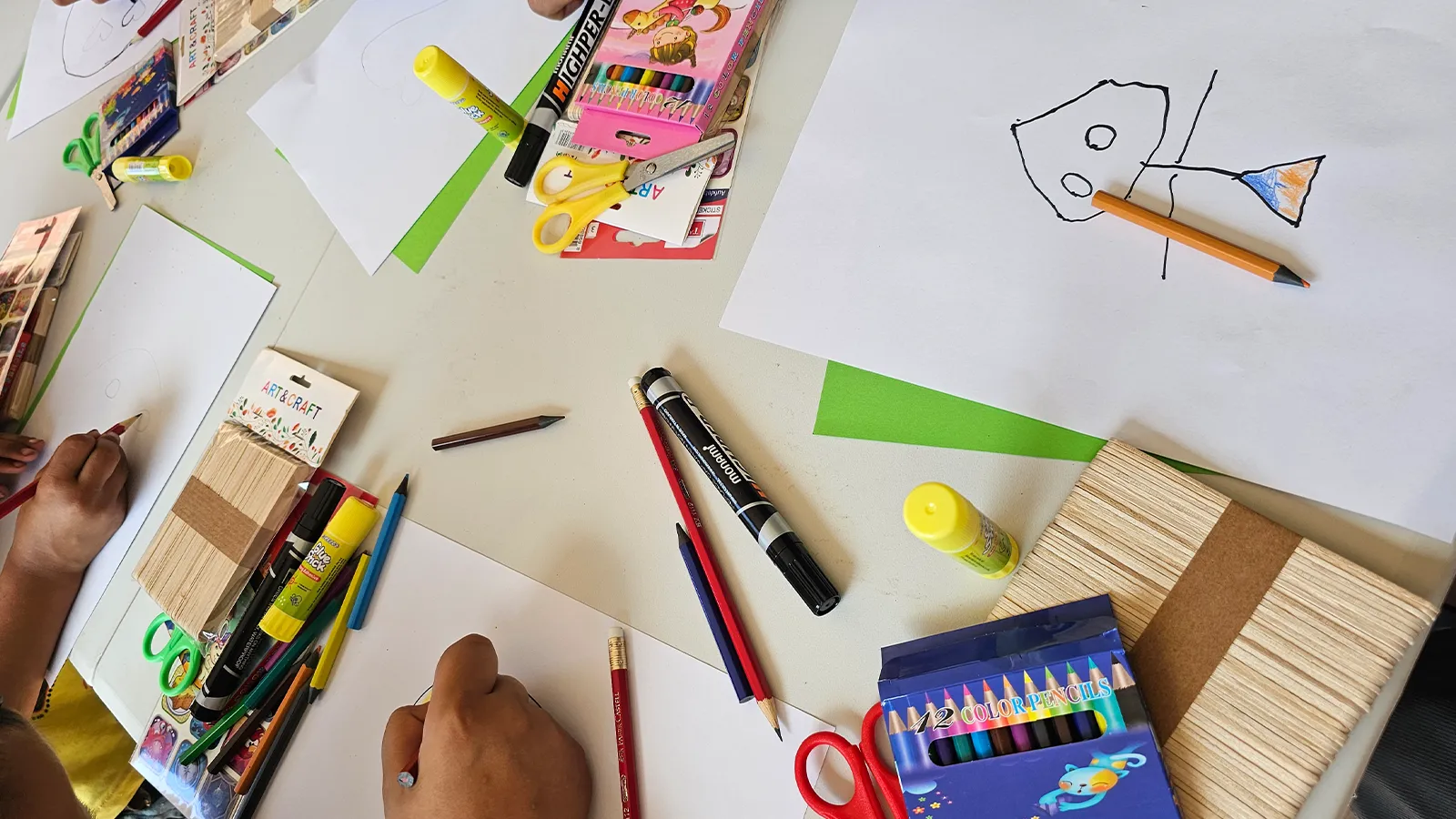
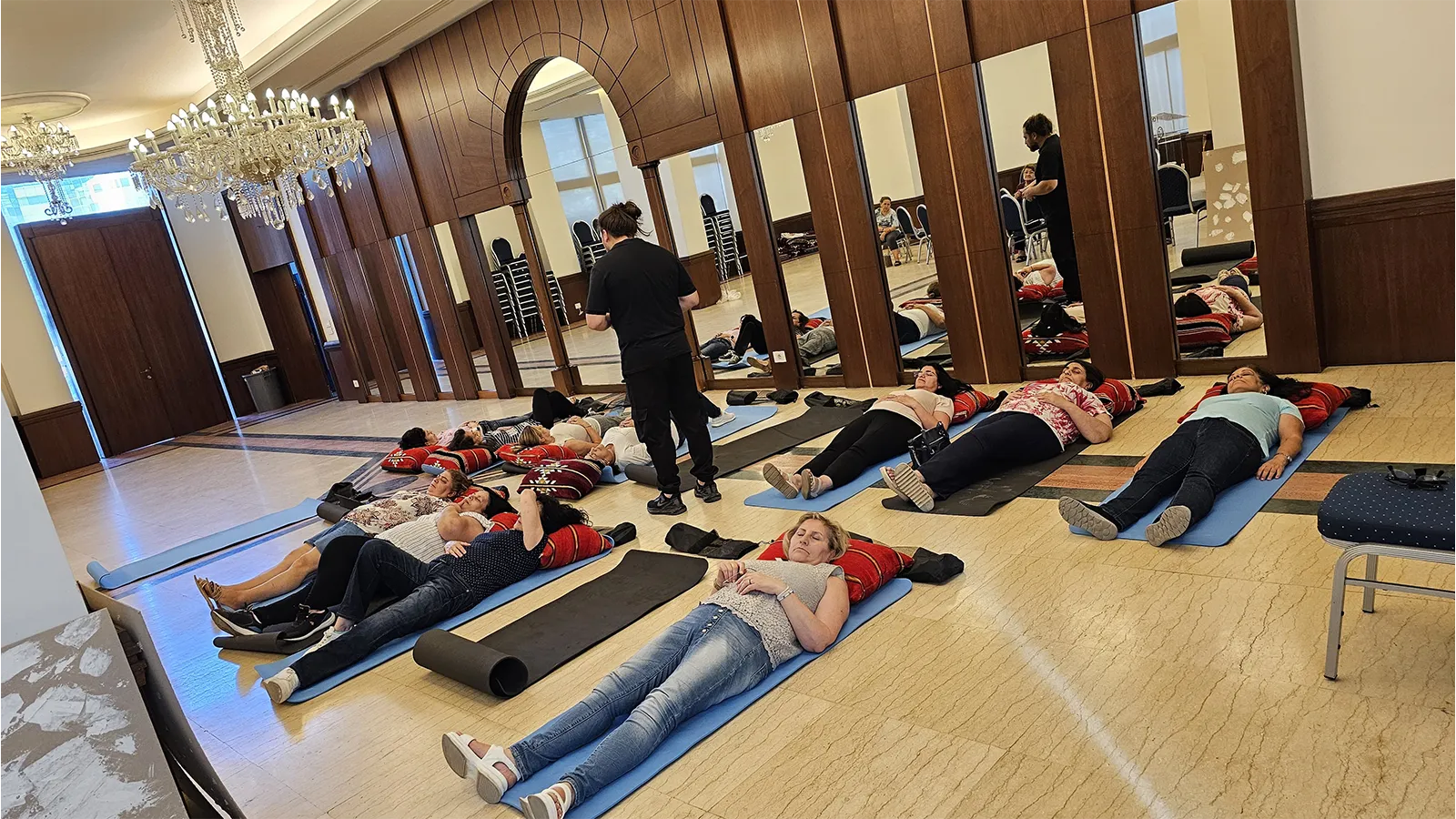
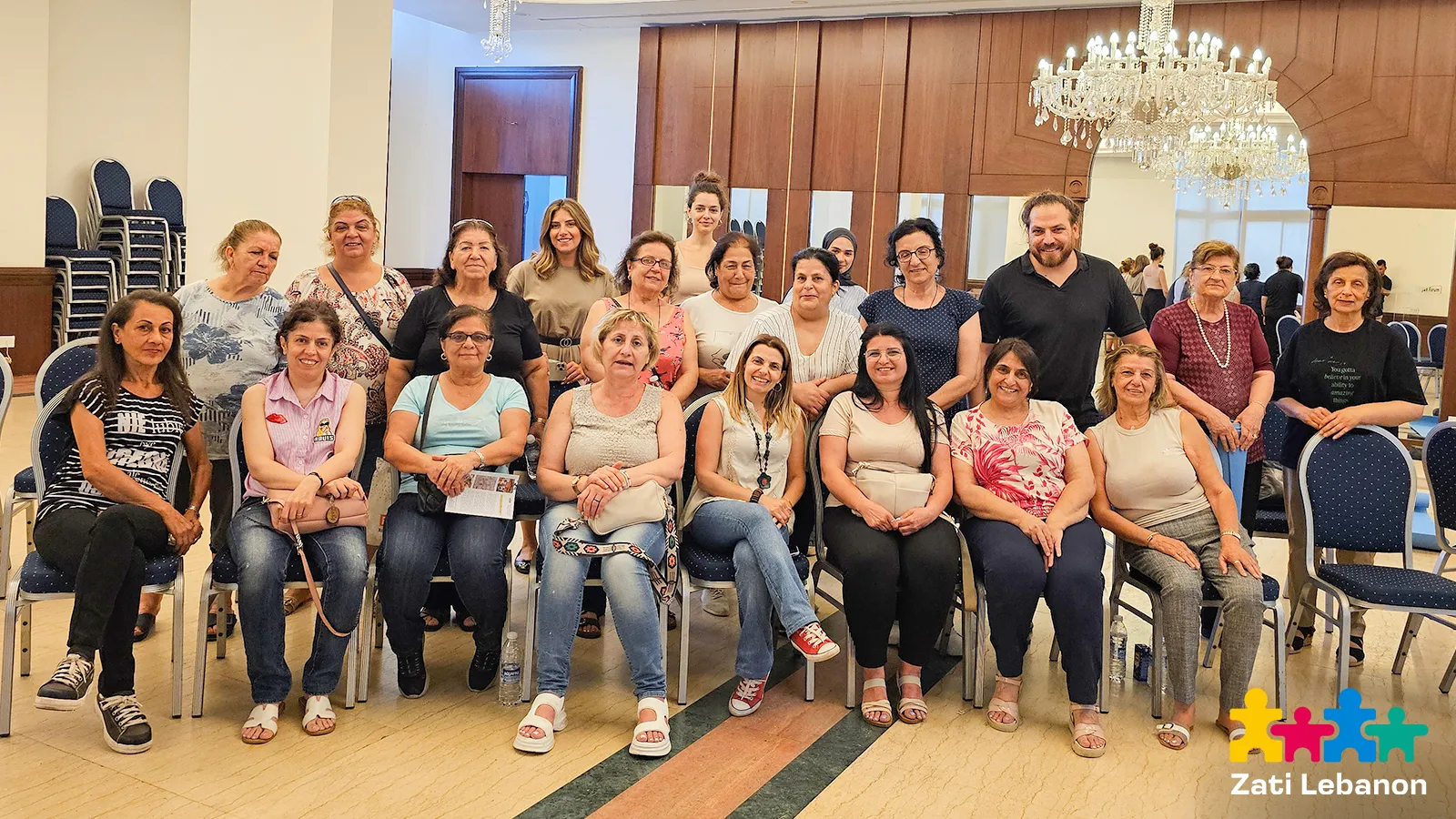
From May to November 2025, the Healing Together project reached women, parents, and children affected by chronic stress, displacement, economic hardship, and trauma in Barja, Chiyah, and Hay El Gharbi. Supported by WE’AM and Right to Play International, the project combined structured psychosocial support, therapeutic play, and family-centered interventions.
Across all regions, assessments using mental health scales, GAD-7, and C-PTSD, complemented by focus groups and behavioral logs, demonstrated strong, measurable, and sustained psychosocial improvements aligned with international MHPSS benchmarks.
- Emotional Distress Among Women: Barja: -46.4%, Chiyah: -64.4%, Hay El Gharbi: -18.9%
- Anxiety Symptoms (GAD-7): Barja: -35.4%, Chiyah: -52.8%, Hay El Gharbi: -18.2%
- Children’s Emotional & Behavioral Well-Being: Barja: 71.6%, Chiyah: 49.3%, Hay El Gharbi: 13.3%
- Trauma Symptoms Among Children (C-PTSD): Barja: -66.8%, Chiyah: -52.3%, Hay El Gharbi: -9.6%
Parents demonstrated enhanced emotional awareness, improved coping strategies, better understanding of children’s cues, and reduced family conflict. Peer-support networks established during safe-space dialogue sessions continued beyond the project, creating sustainable community resilience.
Partnerships and Community Engagement
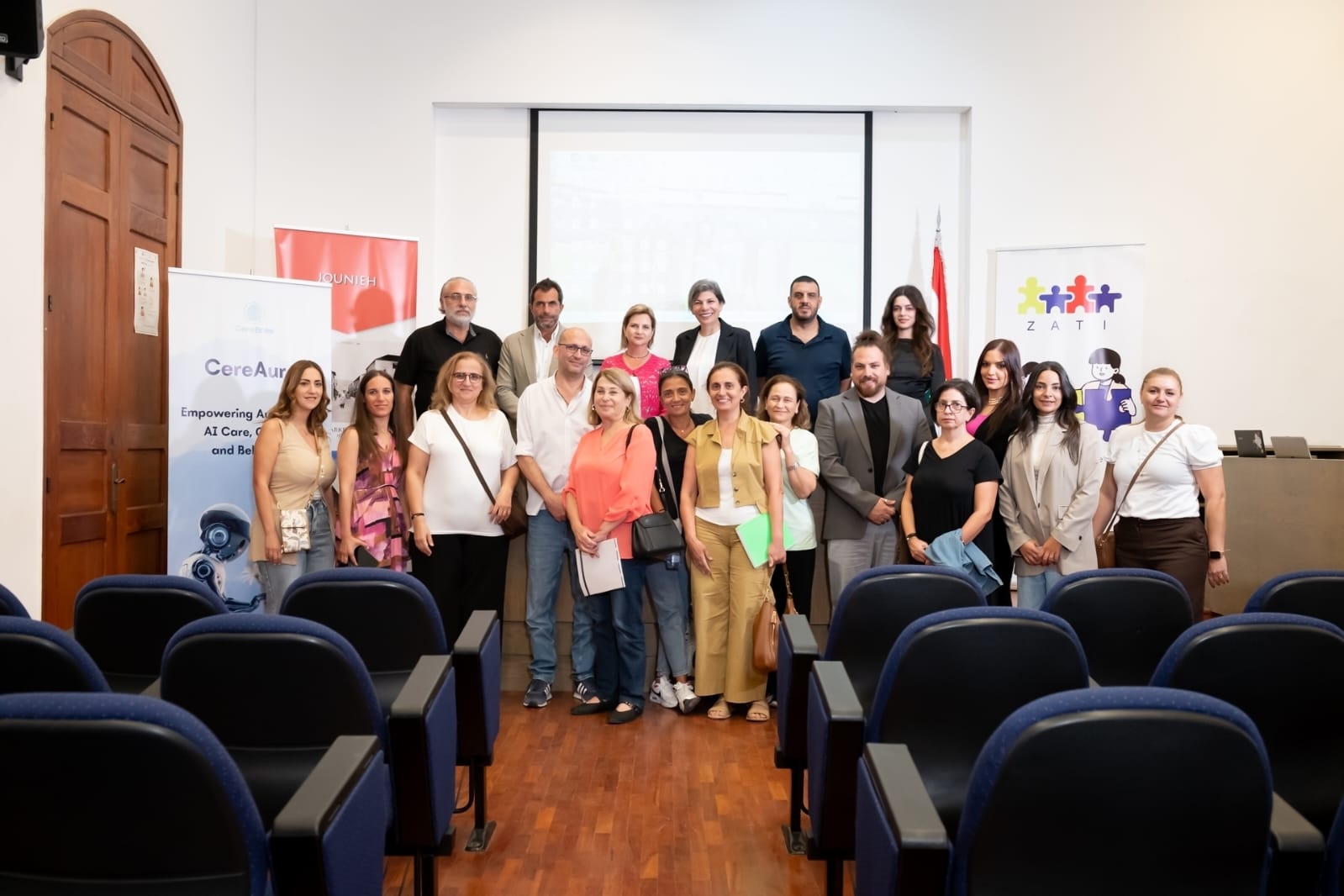
Zati Lebanon also partnered with International Alert and GIZ to strengthen peacebuilding, social stability, and community cohesion. In Chiyah, collaboration with ACTED brought structured psychosocial support programs directly into local schools, creating safe spaces where children and educators could learn, play, and heal together.
These initiatives complement our ongoing work, ensuring that mental health, social inclusion, and community empowerment remain central to Zati Lebanon’s mission.
Zati Lebanon stands at the intersection of autism, mental health, and humanitarian response—ensuring that no child, caregiver, or family is left unseen, unsupported, or unheard.