Digital Tools for Autism Inclusion Webinar Generates Strong International Interest and New Partnership Opportunities
Zati Lebanon Association’s webinar on Digital Tools for Autism Inclusion brought together participants from eight countries to explore inclusive practice, care coordination, ethical AI, and future collaboration.
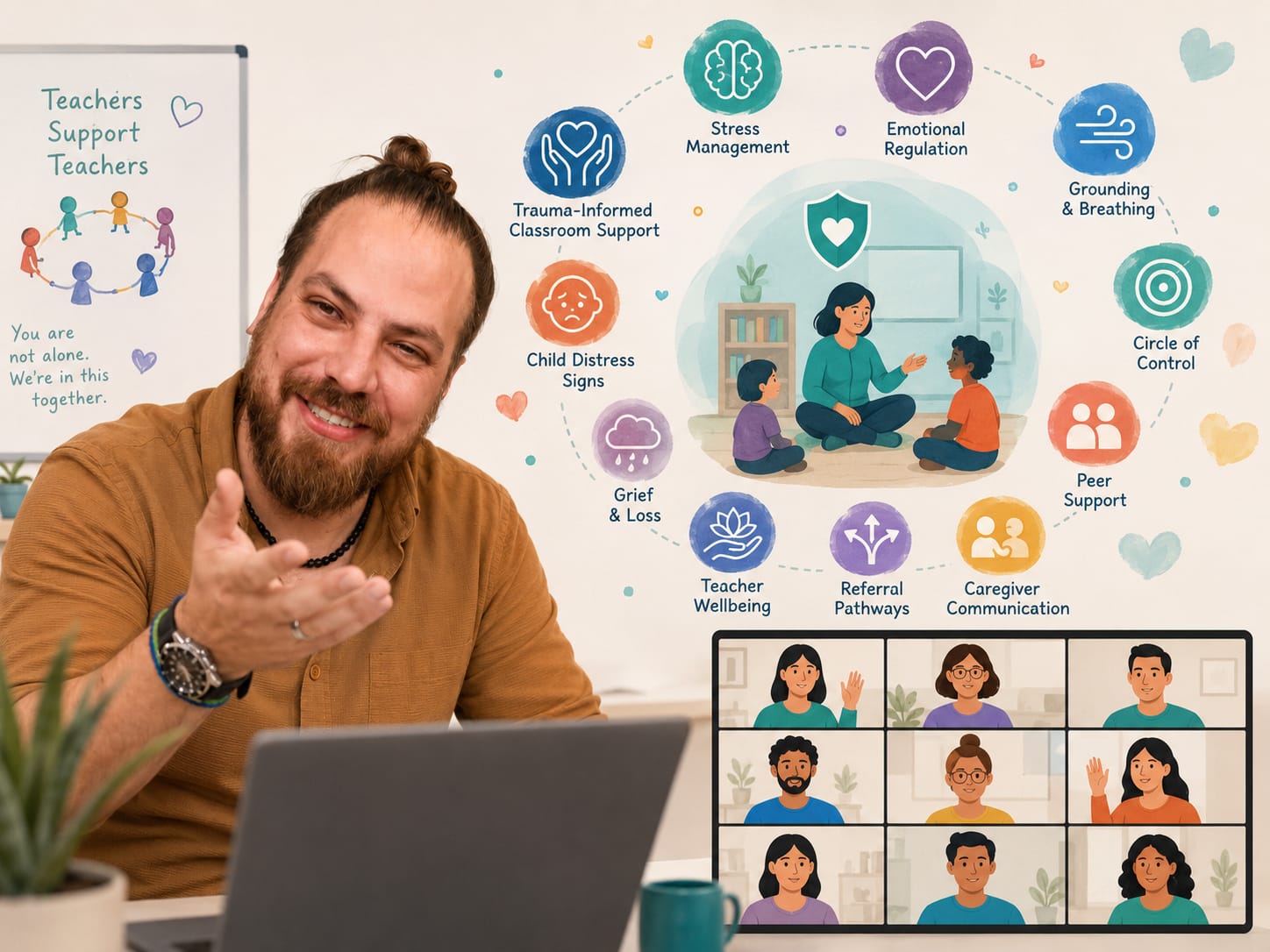
On 22 July 2026, Zati Lebanon Association delivered the online webinar “Digital Tools for Autism Inclusion: Supporting Youth Workers, NGOs and Caregivers Through Coordinated Care.” The English-language learning event brought together representatives of NGOs, schools, municipalities, autism centers, caregiver initiatives, and disability-focused organizations from across the region and Europe.
The webinar attracted 149 participants from all over the world with huge interest from Lebanon, Palestine, Syria, Libya, Türkiye, Italy, Romania, and Portugal, reflecting a growing international interest in practical and ethical approaches to autism inclusion.
More importantly, the event created opportunities for continued dialogue and future partnerships. Of the eight participants who submitted the post-webinar feedback form, seven expressed interest in a one-on-one follow-up meeting with Zati Lebanon Association to discuss their work, organizational initiatives, and potential areas for collaboration.
From Autism Awareness to Meaningful Inclusion
The webinar began by presenting autism as a neurodevelopmental difference rather than a single fixed profile. Participants explored how autism may affect communication, sensory processing, routines, flexibility, emotional regulation, and participation.
A central message of the session was that autistic and neurodivergent people do not all require the same type or level of support. Inclusion must therefore be adapted to each person’s context, strengths, communication preferences, sensory needs, and individual priorities.
The discussion encouraged youth workers and organizations to move beyond asking whether an autistic young person can fit into an existing activity. Instead, participants were invited to consider how activities, spaces, communication methods, and expectations could be adapted so that every person can participate with dignity.
Barriers Identified by Participants
Feedback collected after the webinar confirmed that autistic and neurodivergent young people continue to face significant barriers in youth, educational, and community activities.
Participants highlighted challenges including:
- Communication barriers and difficulty expressing needs
- Sensory sensitivity to noise, light, movement, and crowded spaces
- Anxiety during transitions or unfamiliar situations
- Inflexible activities and materials
- Limited opportunities for meaningful social participation
- Stigma and lack of understanding
- Insufficiently trained facilitators
- Transportation and accessibility challenges
- Limited individualized support
- Weak coordination between the adults and organizations surrounding the child
Several respondents emphasized that participation becomes more effective when activities include predictable routines, visual instructions, sensory breaks, flexible teaching approaches, and adaptations based on the individual’s strengths and needs.
These responses reinforced one of the webinar’s main conclusions: many barriers are created by environments and systems, rather than by the autistic person.
Strengthening the Care Circle Around the Child
A major part of the webinar focused on the care-circle approach. Children and young people are often supported by several people, including caregivers, therapists, teachers, youth workers, NGOs, centers, and community organizations.
Each person may observe a different part of the child’s daily life:
- Caregivers understand home routines, sleep, meals, triggers, and comfort strategies.
- Therapists follow specialized goals, progress, and recommendations.
- Teachers and youth workers observe participation, transitions, peer interaction, and learning needs.
- NGOs and community organizations identify family pressures, access barriers, and opportunities for inclusion.
However, these observations are often stored separately. Families may be required to repeat the same information to multiple professionals, while important patterns can be missed because no shared or structured follow-up mechanism exists.
Participants repeatedly identified communication, collaboration, synchronization, and continuity as major gaps between caregivers, educators, therapists, and NGOs.
One respondent explained that information about a person’s communication style, sensory needs, strengths, preferences, and successful support strategies is not always shared consistently. Another emphasized the need for professionals to continue the same work rather than using disconnected approaches.
Practical Digital Tools for Better Follow-Up
The webinar demonstrated that organizations do not need complex or expensive technology to improve coordination.
Participants explored accessible tools such as:
- Google Forms and shared checklists
- Secure spreadsheets and observation trackers
- Shared digital journals
- WhatsApp with clear privacy rules
- Microsoft Teams and online calendars
- Visual schedules and timers
- Captions, translation, text-to-speech, and speech-to-text tools
- Accessible content created through Canva, PowerPoint, and similar platforms
The purpose of these tools is not to create more documentation. Their value lies in helping teams record relevant observations, identify patterns, prepare for activities, communicate responsibilities, and support continuity between different settings.
Feedback respondents suggested secure shared platforms, digital support journals, structured reporting systems, online forms, and tools such as CereAura and Cognie as possible ways to strengthen follow-up.
The presentation introduced CereAura and Cognie as a practical case example of how digital systems may support care-circle coordination, organize observations, prepare clearer questions for professionals, and improve communication. The webinar clearly stated that these tools must not be presented as replacements for therapists, educators, caregivers, or professional judgment.
Ethical AI Was a Central Concern
Participants showed strong awareness of the ethical risks associated with artificial intelligence and sensitive digital information.
The most frequently identified ethical requirements were:
- Informed consent
- Confidentiality
- Protection of personal and sensitive information
- Secure and limited information sharing
- Human review and oversight
- Respect for the dignity and rights of the individual
- Clear limits on how AI-generated information is used
- Ensuring that AI does not replace professional judgment
One participant summarized the concern by stating that AI should never become the only source of support. Another emphasized that privacy, informed consent, data protection, and individual dignity must always come first.
The webinar therefore reinforced that AI may assist with organizing observations, simplifying information, translating content, or preparing questions, but it must not diagnose, prescribe, label, manage emergencies, or make clinical decisions.
Positive Feedback and Interest in Continued Collaboration
The feedback received following the webinar was highly encouraging.
Participants described the session as:
- Informative
- Engaging
- Easy to follow
- Relevant to future autism-focused projects
- Useful for organizations working with children and young people
- A valuable introduction to practical digital tools
One participant noted that their organization would likely contact Zati Lebanon Association when planning a future project involving autistic children, in order to benefit from the Association’s experience and expertise.
Another respondent expressed interest in additional sessions of the same kind, while several participants specifically requested follow-up meetings and continued engagement.
The level of interest demonstrates that organizations across different countries are actively looking for practical guidance on autism inclusion, digital coordination, caregiver engagement, ethical AI, and accessible community-based support.
Future Partnership Opportunities
The webinar created a strong foundation for further cooperation between Zati Lebanon Association and participating organizations.
Potential areas for future partnership include:
- Follow-up meetings with interested organizations
- Joint autism inclusion webinars and training programs
- Capacity building for youth workers, teachers, and NGO staff
- Exchange of good practices between countries
- Development of accessible tools and learning materials
- Collaboration on Erasmus+, SALTO Youth, and international youth initiatives
- Pilot projects supporting coordinated care and caregiver engagement
- Technical guidance for organizations designing autism-inclusive activities
- Partnerships connecting schools, caregivers, therapists, NGOs, and community actors
These potential collaborations reflect Zati Lebanon Association’s commitment to creating practical, ethical, and inclusive support systems rather than isolated activities.
Continuing the Conversation
The success of the Digital Tools for Autism Inclusion webinar showed that meaningful inclusion requires more than technology. It requires cooperation, trust, accessibility, ethical responsibility, and continuous communication between everyone involved in the life of the child or young person.
Digital tools can help organize information and improve follow-up, but human relationships remain at the center of care.
Through this webinar and the partnerships it has initiated, Zati Lebanon Association continues to strengthen its role as a platform for learning, cooperation, and innovation in autism inclusion, mental health, youth work, and community support.
The Association looks forward to continuing the discussions started on 22 July and exploring future partnerships with organizations committed to building more inclusive communities.