

Teacher mental health in Lebanon has become an important concern amid prolonged instability, economic pressure, grief, and increasing demands in schools. Teachers are expected to remain emotionally available to children, even when managing significant personal and professional difficulties.
Through the PWSBI – PlayWell: Sahtak Bi Idak consultancy, Zati Lebanon Association provided confidential, individualized mental health and psychosocial support for teachers facing these challenges.
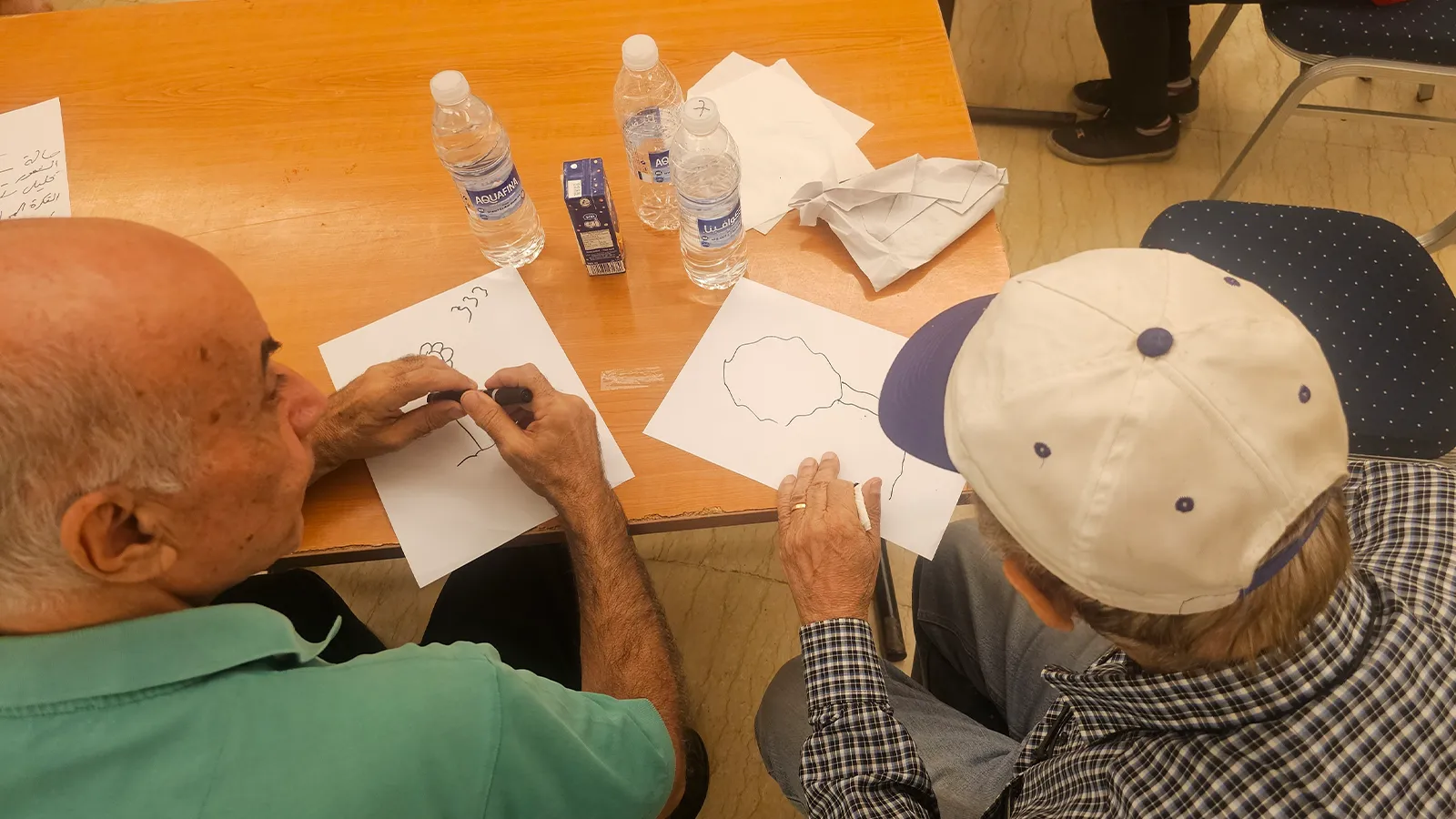
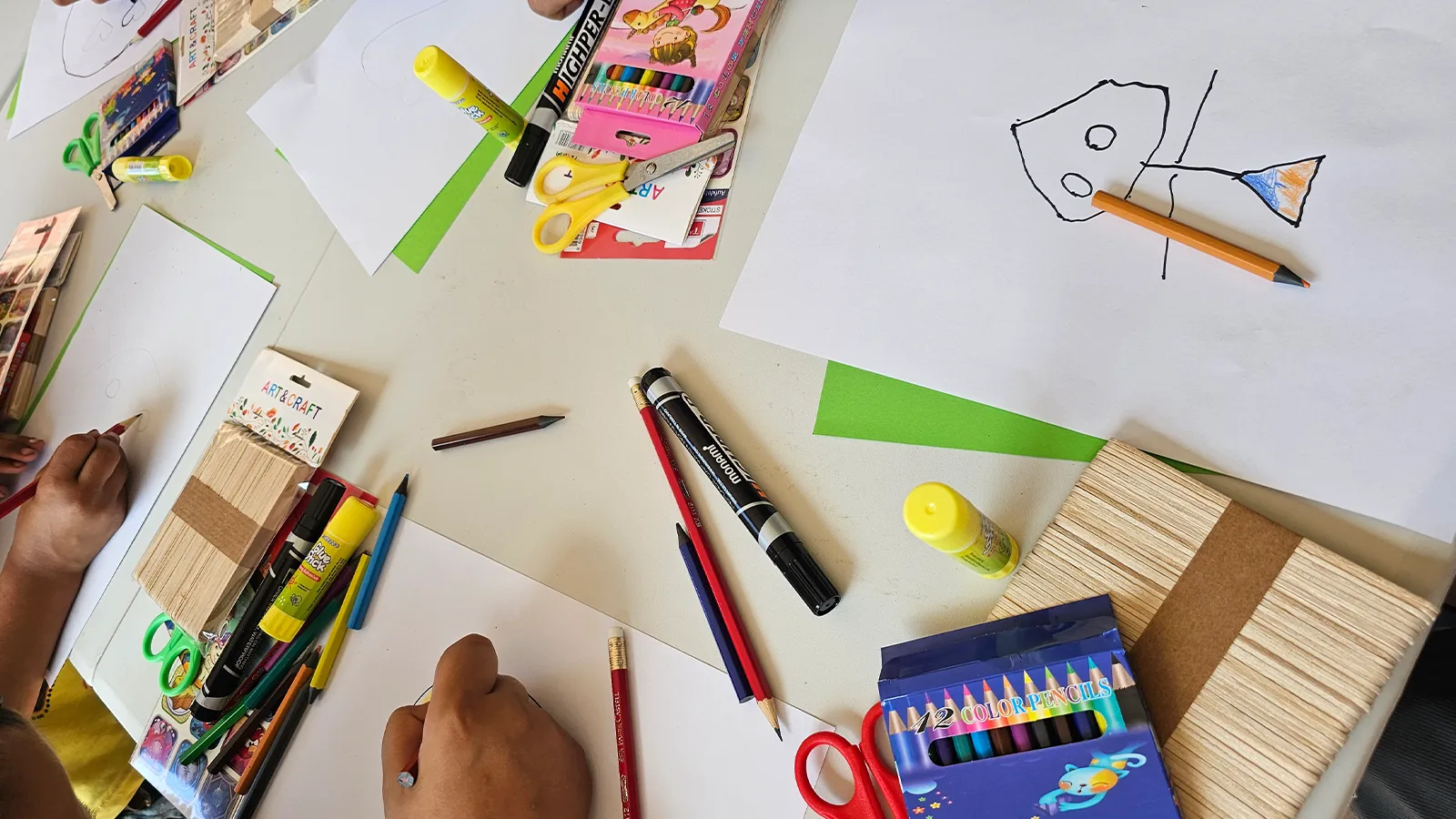
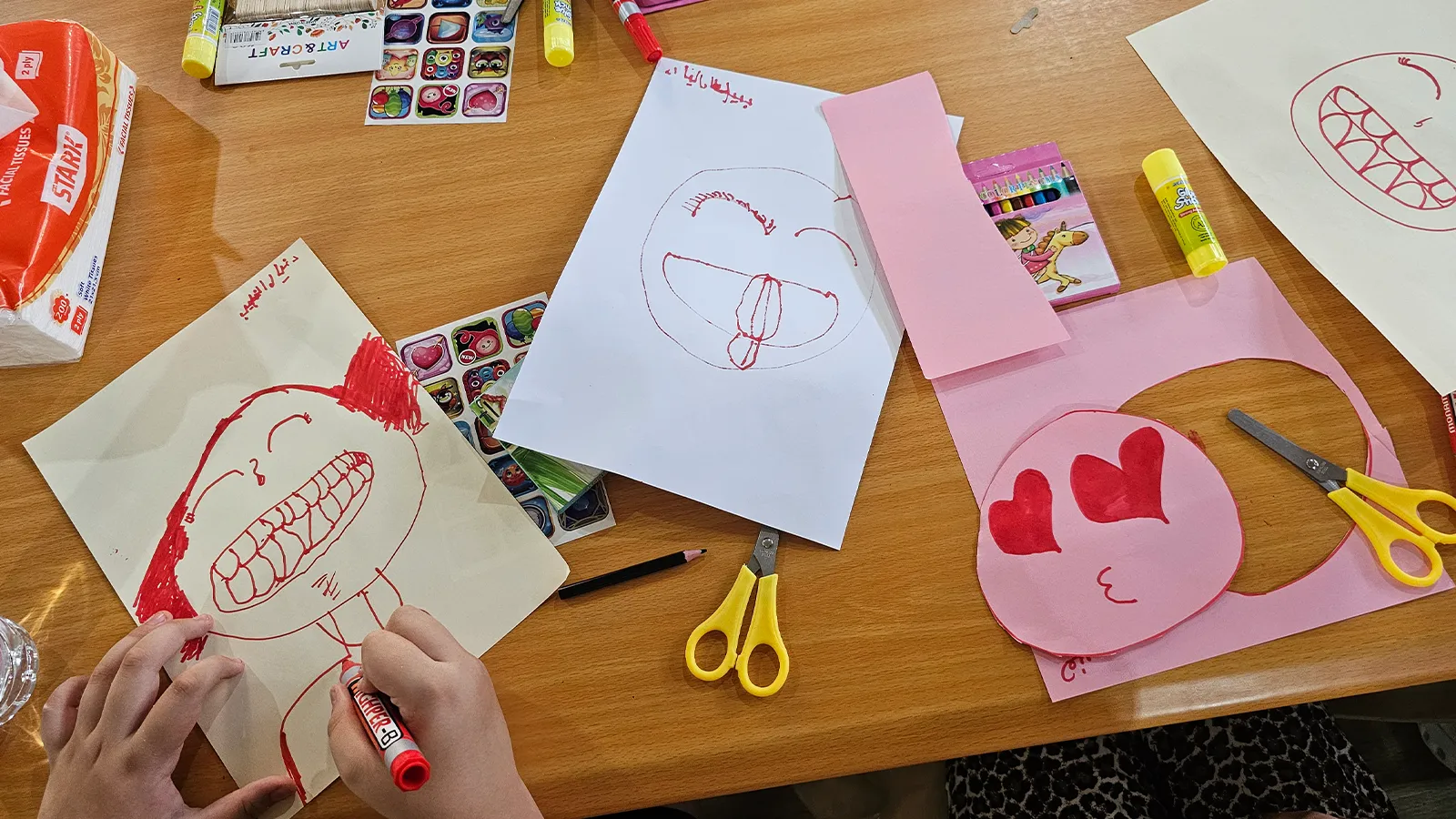
The initiative created a safe space to discuss stress, emotional exhaustion, bereavement, family responsibilities, and classroom difficulties. Participants received practical coping techniques designed to support their wellbeing and strengthen their capacity to work with children.
All learning and reporting information was anonymized to protect confidentiality.
The Emotional Impact of War and Loss on Teachers
War-related disruption and prolonged uncertainty can affect educators beyond the immediate period of conflict.
During the consultancy, teachers described emotional pressures associated with bereavement, economic insecurity, family responsibilities, and fear for loved ones. Some reported difficulties with sleep, concentration, emotional regulation, and maintaining their usual professional responsibilities.
One documented assessment recorded a stress level of 8/10, accompanied by grief-related distress affecting daily functioning. The team prioritized additional grief-sensitive support in response to the participant’s needs.
Other discussions addressed overthinking, irritability, physical tension, and the challenge of continuing to support students while experiencing personal distress.
These experiences demonstrate why psychosocial support for teachers should acknowledge both individual circumstances and the wider pressures affecting school communities.
The World Health Organization’s guidance on mental health at work identifies excessive workloads, job insecurity, and limited workplace support as important psychosocial risk factors.
Main Themes Addressed During the Consultancy
The sessions addressed several recurring concerns.
- Grief and fear of loss: Participants explored emotional responses to bereavement, uncertainty, and difficulty adjusting to significant changes.
- Economic and war-related stress: Teachers discussed financial insecurity, interrupted routines, family pressures, and concerns about the future.
- Emotional regulation: Sessions supported identifying stress triggers, physical warning signs, and unhelpful worry patterns.
- Boundaries and self-care: Participants explored guilt around saying no, taking on excessive responsibility for others, and challenges protecting their wellbeing.
- Professional identity and classroom difficulties: Teachers discussed workplace recognition, communication with school administrations, student behavior, and the emotional demands of inclusive education.
These themes reinforced the importance of providing individualized mental health support rather than relying exclusively on general awareness activities.
Practical Tools Used With Teachers
The consultancy introduced accessible techniques that participants could continue practicing independently.
Key tools included:
- Diaphragmatic breathing and guided breathing exercises
- 5-4-3-2-1 sensory grounding
- Stress thermometers and trigger mapping
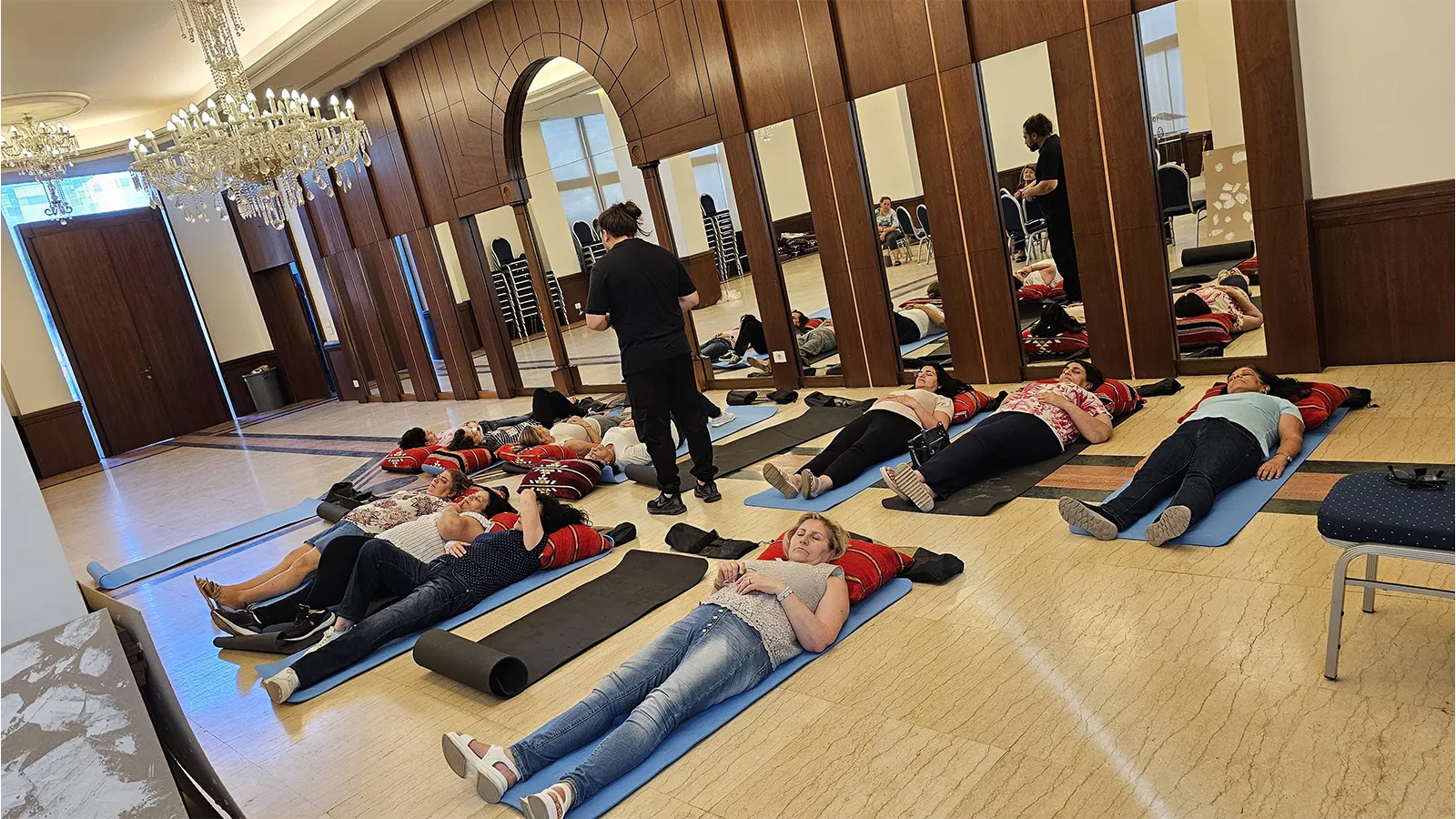
- Body awareness and muscle relaxation
- The STOP technique for emotional regulation
- Circle of Control exercises
- Boundary-setting and respectful communication
- Cognitive reframing and SMART wellbeing goals
- Individualized personal wellbeing plans
These techniques encouraged teachers to recognize emotional activation, pause before reacting, and distinguish manageable responsibilities from circumstances beyond their control.
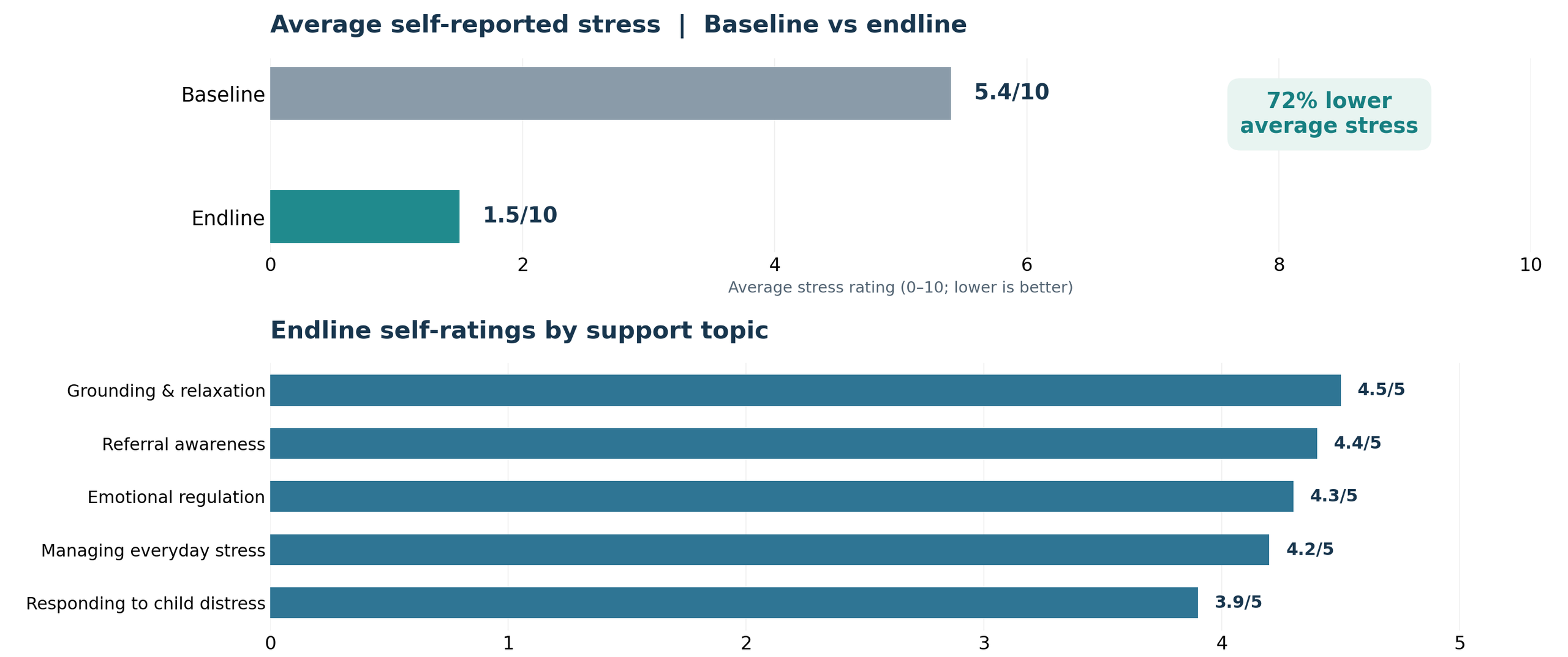
Several individual sessions documented immediate reductions in self-reported stress.
For example, one session recorded a decrease from 7/10 to below 1/10, while another showed a reduction from 4/10 to 2/10. A grief-sensitive follow-up documented improvement from 5/10 to 2/10.
These results reflect specific session records. They should not be interpreted as an overall program average or evidence that every participant experienced the same improvement.
An Inclusive and Needs-Based Approach
Teacher mental health support must recognize that individuals experience stress differently.
The PWSBI consultancy primarily used online individual sessions, helping reduce geographical and transportation barriers while accommodating demanding schedules. Support was adapted according to each participant’s emotional needs, readiness, and circumstances.
Teachers experiencing significant grief or persistent distress could receive additional follow-up, while techniques were modified when necessary to ensure comfort and suitability. The sessions also addressed inclusion-related classroom challenges, including diverse learning needs, autism, disability, student behavior, and appropriate referral practices. This approach linked educators’ wellbeing to their capacity to create supportive learning environments.
The Effect of War and Instability on Children at School
Teacher mental health in Lebanon is closely connected to children’s experiences in educational settings.
Participants described students experiencing fear, withdrawal, aggression, concentration difficulties, sadness, and changes in classroom engagement.
Children may express distress through behavior when they cannot easily communicate their emotions.
Teachers therefore need appropriate support to respond calmly, recognize possible distress, establish predictable routines, and refer concerns when specialized assistance is required.
The UNESCO, UNICEF, and WHO guide Teaching with Care provides practical guidance for supporting learner wellbeing, recognizing distress, and strengthening safe, inclusive classrooms.
Importantly, teachers are not expected to diagnose mental health conditions or replace specialized professionals.
Key Findings: 5 Powerful Lessons from PWSBI
The consultancy highlighted five important lessons for strengthening educator wellbeing.
1. Emotional safety encourages participation. Confidential individual sessions offered teachers space to discuss difficult experiences without pressure to disclose sensitive details publicly.
2. Practical coping tools matter. Breathing, grounding, emotional awareness, and boundary-setting provided strategies that participants could apply beyond scheduled sessions.
3. Support should be individualized. Different levels of distress required flexible pacing, appropriate follow-up, and monitoring of referral needs.
4. Teacher wellbeing contributes to inclusive education. Supporting educators can strengthen their ability to respond thoughtfully to children’s emotional and learning needs.
5. Continuity is essential. Personal wellbeing plans, supportive workplace practices, and accessible referral pathways can help maintain progress after short-term interventions.
The documented cases showed encouraging immediate stress reductions and positive feedback about the relevance and practicality of the sessions.
However, these observations should be understood within the scope of the consultancy, not presented as proof of long-term clinical outcomes.
Supporting the People Who Support Children
Investing in teacher mental health in Lebanon means recognizing that educators cannot meet every emotional and educational demand without adequate support.
Through PWSBI – PlayWell: Sahtak Bi Idak, Zati Lebanon Association emphasized the importance of confidential psychosocial care, practical stress-management techniques, individualized follow-up, and inclusive approaches to education.
Supporting teachers also strengthens the environments in which children learn, develop, and build resilience.
When educators receive meaningful support, schools can become safer, more responsive, and more inclusive communities for everyone.