Digital Tools for Autism Inclusion Webinar Generates Strong International Interest and New Partnership Opportunities
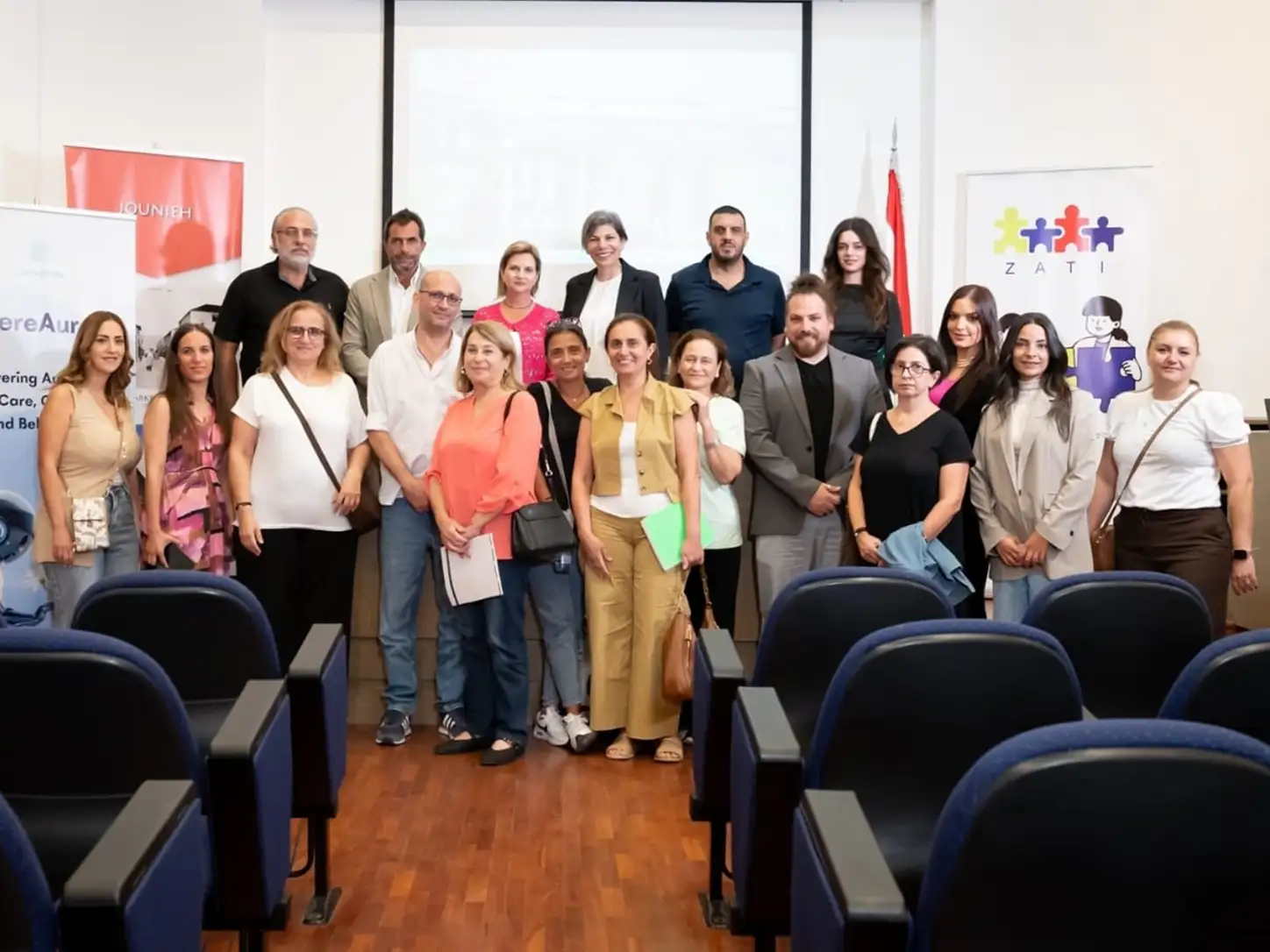
On 22 July 2026, Zati Lebanon Association delivered the international webinar “Digital Tools for Autism Inclusion: Supporting Youth Workers, NGOs and Caregivers Through Coordinated Care.”
The webinar attracted 149 participants worldwide, with notable interest from Lebanon, Palestine, Syria, Libya, Türkiye, Italy, Romania, and Portugal. It brought together professionals, caregivers, educators, and civil society representatives to explore inclusion, coordinated care, accessible digital tools, and ethical artificial intelligence.
Beyond knowledge sharing, the event encouraged international networking. Of the eight participants who completed the feedback form, seven expressed interest in follow-up meetings to explore potential collaboration with Zati Lebanon Association.
From Autism Awareness to Meaningful Inclusion
The webinar emphasized that autism is a neurodevelopmental difference and that autistic individuals have diverse strengths, communication preferences, sensory needs, and support requirements.
Meaningful Integration involves adapting activities, environments, and communication approaches rather than expecting autistic individuals to adjust to systems that may not accommodate their needs.
Participants were encouraged to consider how educational institutions, youth organizations, and community initiatives can create more accessible and supportive environments.
Barriers Identified by Participants
Participants identified several barriers affecting autistic and neurodivergent young people’s participation in educational and community activities:
- Communication differences and sensory sensitivities
- Anxiety during transitions or unfamiliar situations
- Inflexible learning environments and activity structures
- Stigma and limited autism awareness
- Insufficient training among facilitators
- Transportation and accessibility difficulties
- Limited coordination between caregivers and professionals
Feedback highlighted the value of visual instructions, predictable routines, sensory breaks, flexible activities, and individualized support.
These findings reinforced the importance of addressing environmental barriers rather than placing responsibility for cherishing entirely on autistic individuals.

Strengthening the Care Circle Around the Child
A central discussion focused on the care-circle approach, which encourages collaboration among caregivers, therapists, teachers, youth workers, and community organizations.
Each person involved in supporting an autistic child or young person may observe different aspects of their development, communication, emotional wellbeing, and daily participation.
However, information can become fragmented when professionals and caregivers work independently without consistent communication.
Participants emphasized the need for shared observations, coordinated planning, and continuity of support across home, school, therapeutic, and community environments.
Effective care coordination can help reduce duplicated efforts and encourage more consistent, individualized support.
Practical Digital Tools for Better Follow-Up
The webinar demonstrated that improving coordination does not necessarily require complex or expensive technology.
Participants explored practical tools such as:
- Google Forms and structured checklists
- Secure observation trackers and digital journals
- Shared calendars and online communication platforms
- Visual schedules and digital timers
- Captions, speech-to-text, and text-to-speech tools
- Accessible educational resources and presentations
These tools can help organizations document observations, identify support needs, communicate responsibilities, and maintain continuity between different settings.
The webinar also presented CereAura and Cognie as examples of digital solutions exploring coordinated care and information organization.
Importantly, technology was presented as a complementary resource rather than a replacement for therapists, educators, caregivers, or professional judgment.
Ethical AI Was a Central Concern
Participants emphasized that artificial intelligence and digital platforms must respect the rights, privacy, and dignity of autistic individuals and their families.
Key ethical considerations included:
- Informed consent and confidentiality
- Protection of personal and sensitive information
- Secure and limited information sharing
- Human oversight and professional accountability
- Respect for individual autonomy and dignity
- Clear boundaries regarding AI-generated recommendations
The discussion reinforced that artificial intelligence may assist with accessibility, information organization, and communication, but should not independently diagnose conditions, prescribe treatment, or make clinical decisions.
Ethical safeguards remain essential when introducing digital innovation into autism-related services.
Positive Feedback and Interest in Continued Collaboration
Feedback from webinar participants was encouraging.
Respondents described the session as informative, engaging, accessible, and relevant to organizations supporting autistic and neurodivergent children and young people.
Several expressed interest in additional workshops, professional exchanges, and future ASD-focused initiatives.
Notably, seven of the eight feedback respondents expressed interest in individual follow-up meetings with Zati Lebanon Association.
While the feedback represents a small proportion of overall attendance, it provides an encouraging foundation for developing future professional relationships and exploring shared priorities.
Future Partnership Opportunities
The webinar highlighted several potential areas for international cooperation:
- Joint autism Integration webinars and training programs
- Capacity building for youth workers, educators, and NGO professionals
- International exchanges of inclusive educational practices
- Accessible digital resources and learning materials
- Erasmus+, SALTO Youth, and other international initiatives
- Projects strengthening caregiver engagement and coordinated care
- Collaboration among schools, therapists, families, and civil society organizations
These opportunities reflect Zati Lebanon Association’s commitment to supporting sustainable and inclusive community-based initiatives.
Continuing the Conversation
The Digital Tools for Autism Inclusion webinar reinforced an essential principle: meaningful Integration requires more than technological solutions.
It depends on accessible environments, coordinated communication, ethical responsibility, and partnerships built around the needs and preferences of autistic individuals.
Digital tools can support collaboration and continuity, but human relationships and professional expertise remain central to effective care.
Through international learning initiatives and emerging partnership opportunities, Zati Lebanon Association continues advancing ASD inclusion, neurodiversity awareness, and accessible community support in Lebanon and beyond.