
The Invisible Weight of Being Strong: When Does Emotional Resilience Become Exhaustion?
When Being Strong Becomes a Silent Burden
“You have to stay strong.”
For many people in Lebanon, these words have become a response to uncertainty, financial pressure, loss, displacement, and prolonged stress. Strength is admired, resilience is celebrated, and vulnerability is sometimes mistaken for weakness.
But what happens when being strong becomes an expectation rather than a choice?
Behind a calm appearance, someone may be experiencing emotional exhaustion, disrupted sleep, persistent worry, or difficulty concentrating. Continuing daily responsibilities does not necessarily mean feeling psychologically well.
Emotional resilience is not the absence of suffering. It is the capacity to adapt while having access to the resources needed for recovery.
What Does Science Say About Emotional Resilience?
A landmark scientific discussion published by Southwick and colleagues (2014) in the European Journal of Psychotraumatology describes resilience as a dynamic process influenced by psychological, biological, social, and cultural factors.
Resilience is therefore not simply an individual personality trait. It develops through relationships, environmental conditions, coping strategies, and supportive systems.
Neuroscientist Bruce McEwen (1998) introduced the concept of allostatic load, explaining how repeated or prolonged activation of the body’s stress-response systems can create cumulative physiological strain.
When stressful circumstances continue without sufficient recovery, the body and mind may struggle to maintain balance.
This is particularly relevant in environments where uncertainty becomes part of everyday life.

5 Signs of Emotional Exhaustion You Should Not Ignore
Emotional exhaustion does not always appear as an obvious breakdown. Sometimes, it develops gradually.
- Constant tiredness despite resting
Feeling mentally drained after sleeping or taking time off may indicate that stress is affecting recovery.
- Increased irritability or emotional sensitivity
Small inconveniences may trigger frustration, tears, or disproportionate emotional reactions.
- Difficulty concentrating
Persistent stress can interfere with attention, decision-making, and the ability to complete ordinary tasks.
- Emotional numbness
Some people experience reduced emotional responsiveness or withdraw from activities they previously enjoyed.
- Feeling responsible for everyone
Constantly prioritizing others while neglecting personal needs may contribute to emotional overload.
These experiences are not diagnostic criteria. When symptoms persist or interfere with daily functioning, professional assessment may be helpful.
Why Suppressing Emotions Is Not the Same as Resilience
Many people believe that controlling emotions means hiding them.
However, research by Gross and John (2003), published in the Journal of Personality and Social Psychology, found that habitual emotional suppression was associated with lower wellbeing and poorer interpersonal functioning.
In contrast, cognitive reappraisal—reconsidering how we interpret emotionally challenging situations—was associated with more favorable psychological outcomes.
This does not mean every emotion must be expressed immediately. Rather, healthy emotional regulation involves recognizing feelings and responding flexibly.
Being emotionally resilient does not require pretending that everything is fine.
How Can We Strengthen Emotional Resilience?
Building sustainable resilience requires practical strategies and supportive environments.
Start by recognizing personal limits. Taking breaks, maintaining regular sleep, engaging in physical activity, and setting realistic boundaries can support psychological wellbeing.
Meaningful relationships are equally important. Speaking with trusted individuals, participating in supportive groups, and seeking professional guidance when needed can reduce isolation.
Evidence from Lebanon also demonstrates the value of accessible psychological interventions. A randomized clinical trial published in 2022 examined the World Health Organization’s guided digital Step-by-Step intervention among 680 participants experiencing depressive symptoms and impaired functioning.
The intervention produced improvements in depression, anxiety, daily functioning, and psychological wellbeing compared with enhanced usual care, although participant attrition limits certainty.
These findings reinforce the potential of accessible, structured mental health support during prolonged adversity.
From Individual Strength to Collective Wellbeing in Lebanon
At Zati Lebanon Association, we recognize that emotional resilience cannot depend exclusively on individual determination.
Families, schools, workplaces, and communities all influence psychological wellbeing.
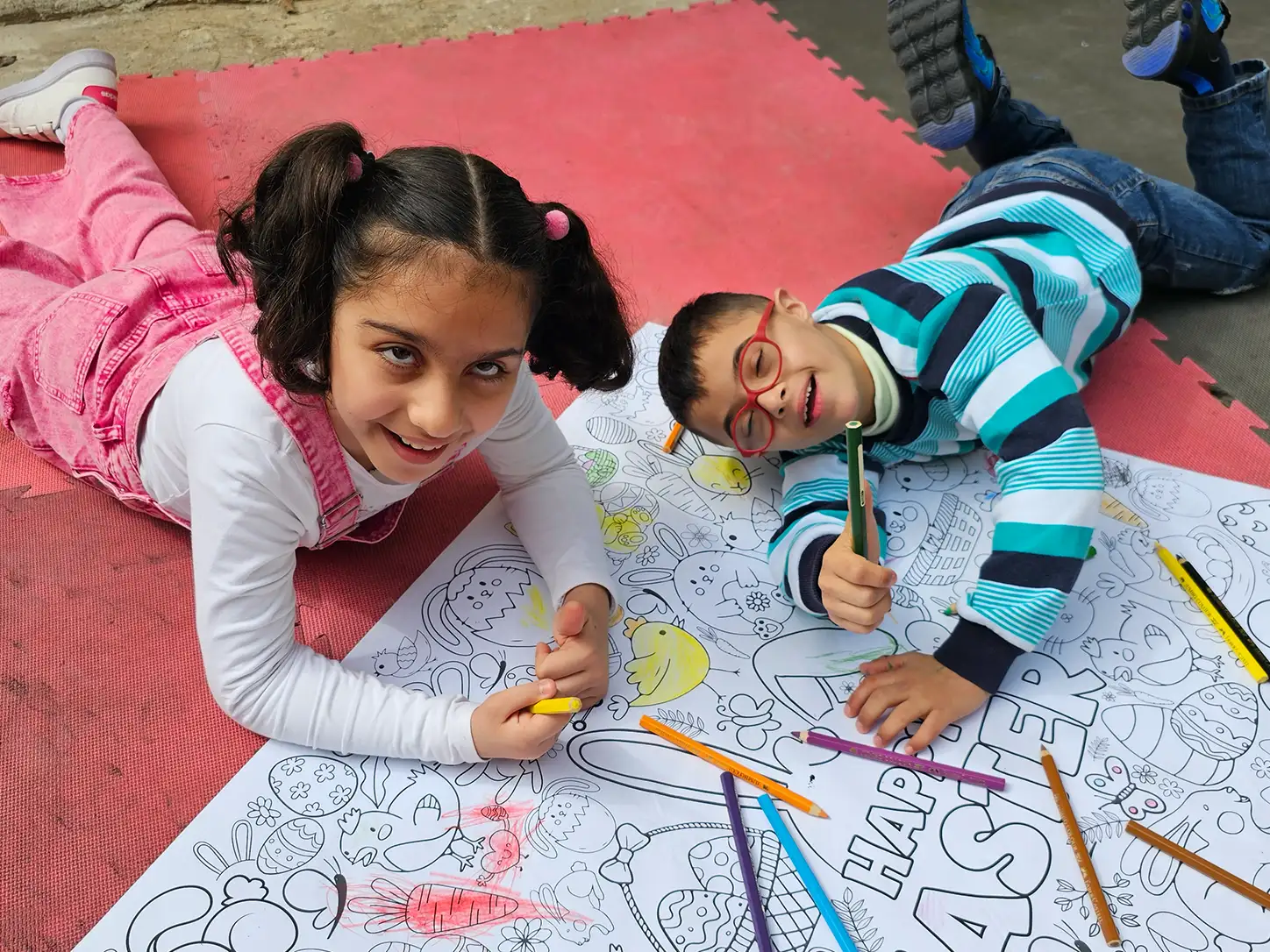
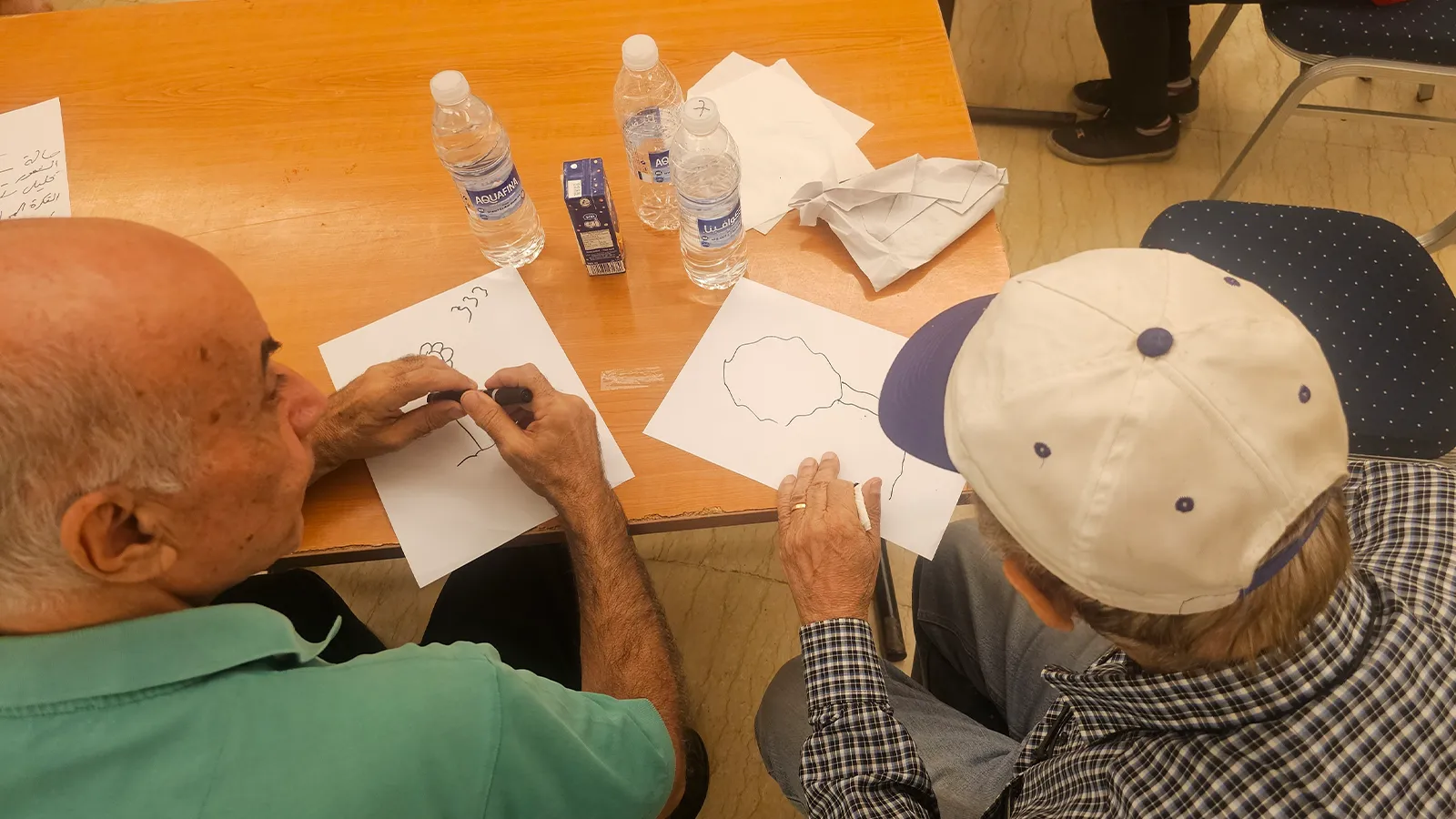
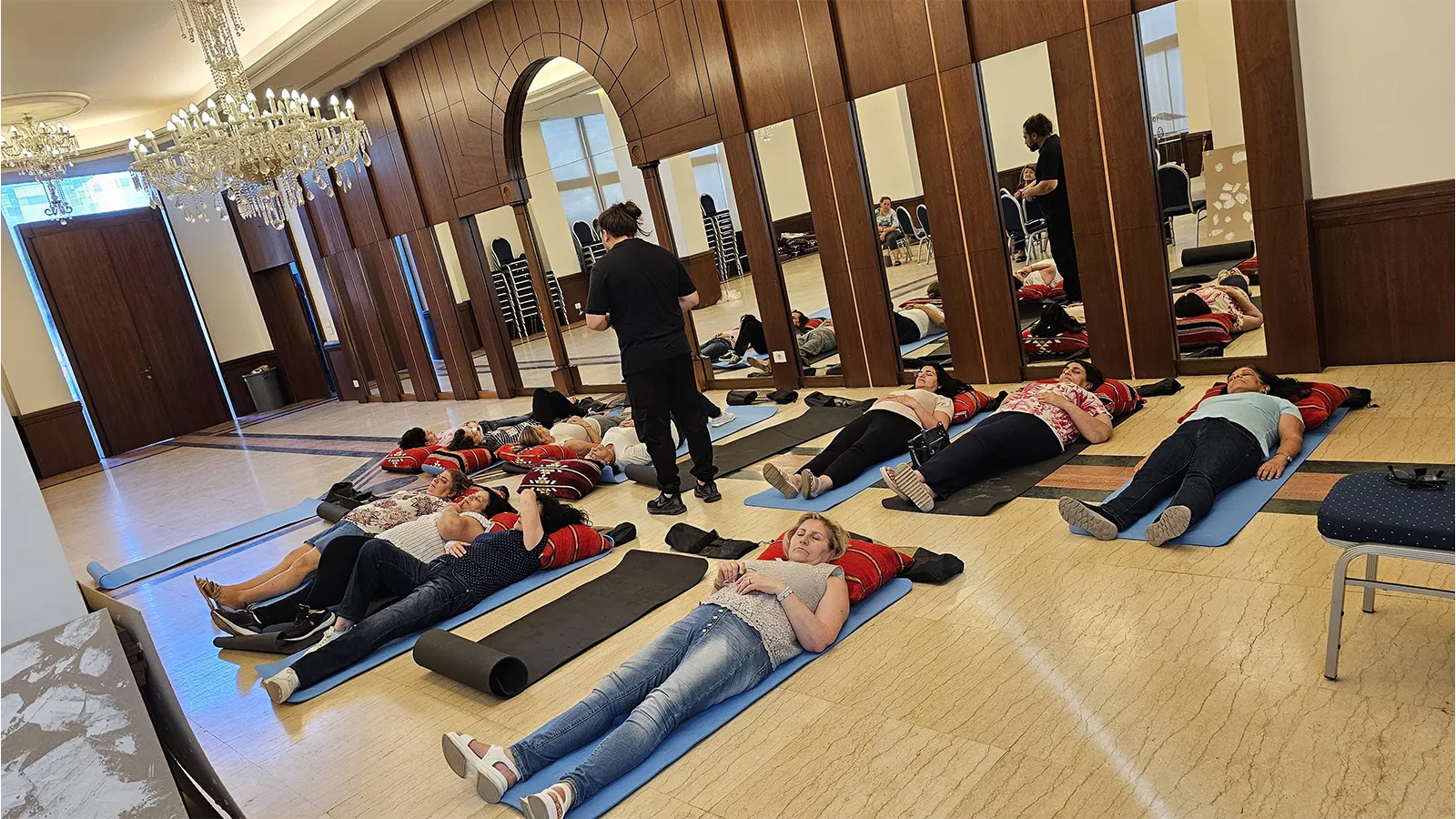
Accessible mental health awareness, group-based psychosocial activities, caregiver support, and practical coping resources can strengthen community-level protective factors.
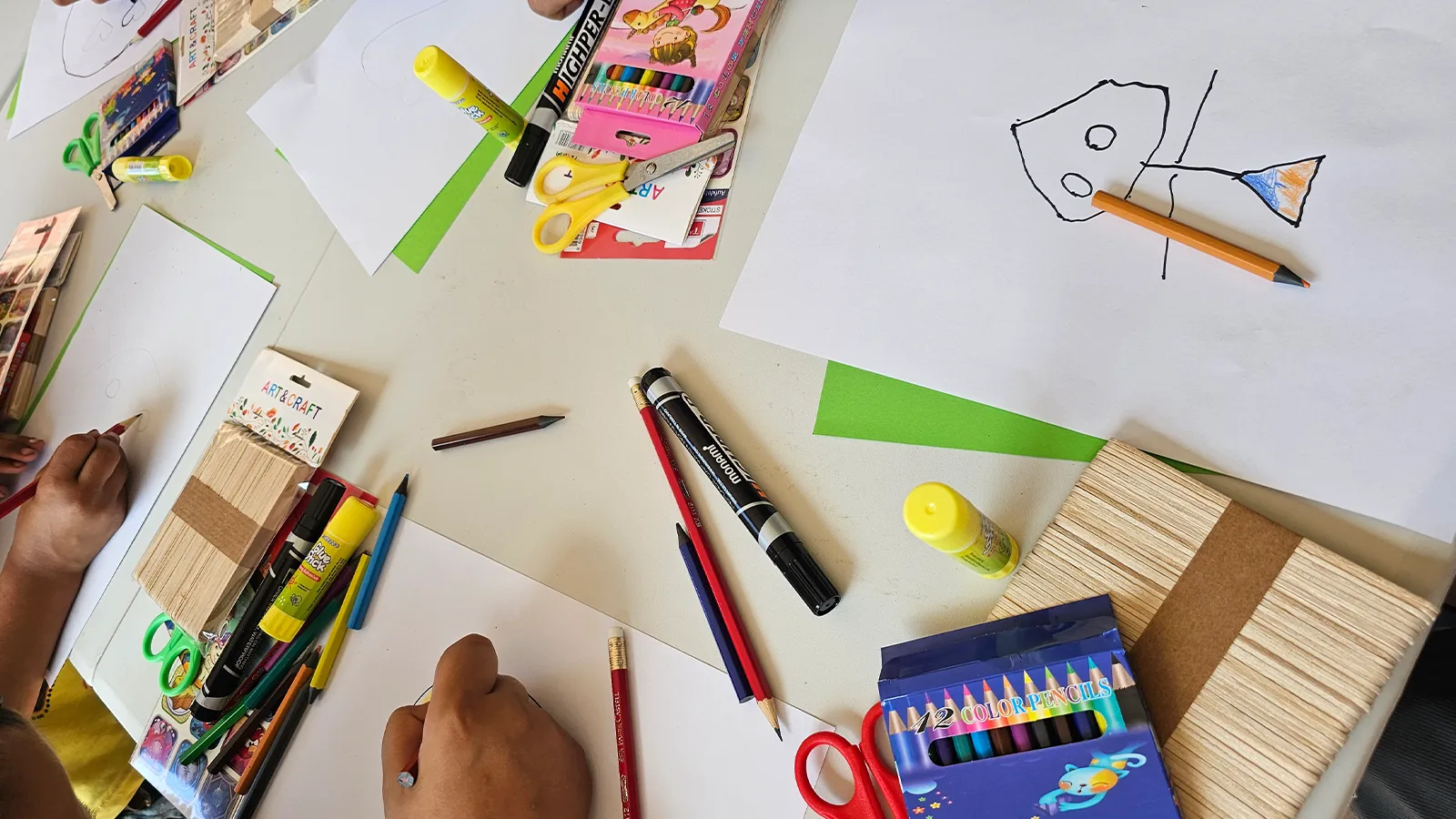
Using existing community spaces, reusable educational materials, and appropriately facilitated group activities may also improve cost efficiency while expanding access.
Conversely, leaving psychological distress unaddressed can increase individual suffering, place additional pressure on families and services, and contribute to wider social and economic burdens.
Promoting mental health therefore requires both personal coping skills and collective responsibility.
A Final Reflection: Strength Should Include the Freedom to Rest
Resilience is not measured by how much suffering someone can tolerate silently.
Sometimes, strength means asking for help, acknowledging exhaustion, establishing boundaries, or allowing time for recovery.
A supportive society should not merely celebrate people’s ability to endure adversity. It should help create the conditions in which constant endurance is no longer necessary.
You do not have to be strong every moment to be resilient. Sometimes, the most meaningful expression of strength is allowing yourself to receive support.