
When Forgiveness Becomes Silence: Understanding the Psychology of Family Attachment, Traumatic Grief, and Accountability
Can Forgiveness Coexist With Unimaginable Loss?
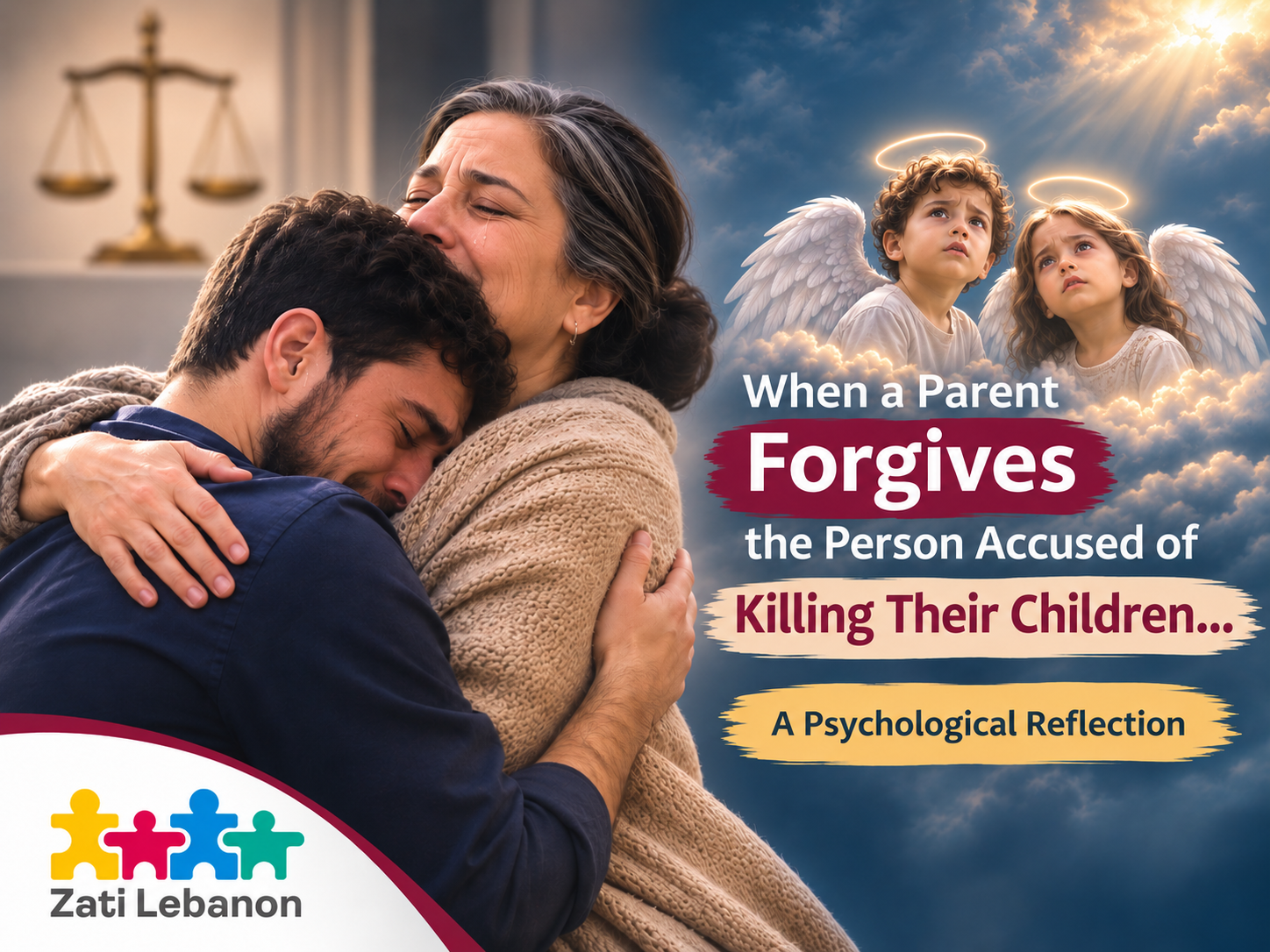
Imagine a parent who has lost two children in a violent incident, with their own mother accused of involvement. During court proceedings, the parent embraces the accused family member and publicly expresses forgiveness.
Such a scene may provoke disbelief, compassion, anger, or confusion.
How can someone forgive a person accused of causing such devastating suffering? Is the gesture evidence of extraordinary emotional strength, an attempt to preserve family attachment, or a response to overwhelming psychological distress?
Psychology offers several frameworks for exploring these questions. However, none can establish the person’s motivation from a single public interaction.
The deeper issue is not whether forgiveness is right or wrong, but how traumatic grief, family relationships, and social expectations can influence the ways people respond to harm.
Forgiveness is a personal process. Psychological recovery, accountability, and children’s rights are separate matters that must also be considered.
1. Traumatic Grief: When Loss Overwhelms Psychological Understanding
The violent death of a loved one can create psychological consequences extending beyond ordinary bereavement.
Survivors may experience intense grief, intrusive memories, disbelief, anxiety, guilt, emotional numbness, or difficulties restoring a sense of safety.
A systematic review by Kristensen, Weisæth, and Heir (2012) examined bereavement following sudden and violent deaths and identified important risks for psychological distress and complicated grief.
More recently, a systematic review by Lebel, Lépine, and Brillon (2024) examined factors associated with mental health difficulties following homicide bereavement.
When a parent loses a child through violence, two experiences may overlap: the grief associated with losing someone deeply loved and the traumatic impact of the circumstances surrounding the death.
These processes do not follow a predictable sequence.
Someone may demonstrate affection, appear composed, or speak about forgiveness while continuing to experience intense psychological suffering.
Therefore, public forgiveness cannot be interpreted as evidence that traumatic grief has been resolved.
2. Family Attachment: Why Confronting a Parent Can Be Psychologically Difficult
From childhood, relationships with caregivers contribute to emotional security, trust, identity, and expectations about interpersonal relationships.
Even in adulthood, these attachments may remain psychologically significant.
When a parent is perceived as responsible for serious harm, an individual may confront two conflicting emotional realities: the attachment to someone who has long represented family and belonging, and the need to recognize the possibility of profound wrongdoing.
Psychologist Jennifer Freyd’s Betrayal Trauma Theory (1994) explores how interpersonal trauma involving trusted or depended-upon individuals may create particular psychological conflicts.
The theory was developed primarily in relation to abuse and dependency, particularly during childhood. It cannot automatically explain an adult’s response to a tragedy, and some of its proposed mechanisms remain scientifically debated.
Nevertheless, it highlights an important clinical question: what happens when recognizing harm threatens a relationship that has been central to someone’s emotional life?
In some situations, individuals may minimize conflict, maintain contact, or struggle to acknowledge harmful behavior.
In others, continued affection may simply reflect an autonomous decision to preserve a relationship while recognizing the harm.
Attachment may help explain why family conflict is emotionally complicated, but attachment alone does not establish denial, manipulation, or psychological dysfunction.
3. Cognitive Dissonance: When Love and Harm Become Difficult to Reconcile
Psychologist Leon Festinger introduced Cognitive Dissonance Theory in 1957 to describe the psychological discomfort that can arise when people hold conflicting beliefs or attitudes.
Consider two possible beliefs:
“My mother is someone I love and trust.”
“My mother may have caused irreversible harm to my children.”
Holding these beliefs simultaneously may generate substantial psychological tension.
One possible response is to reconsider previously held beliefs. Another is to seek additional explanations, reduce the importance of conflicting information, or attempt to reconcile emotionally incompatible realities.
In highly distressing circumstances, such processes may interact with grief, family expectations, and the individual’s previous experiences.
However, cognitive dissonance is a general psychological mechanism, not a clinical diagnosis. It does not mean that every person who forgives a harmful family member is denying reality.
A person may fully acknowledge the seriousness of an alleged offense and still choose forgiveness.
The clinically important distinction is whether the response reflects personal agency or is influenced by fear, coercion, overwhelming distress, or pressure to preserve family unity.
4. Family Loyalty and Psychological Boundaries: When Respect Becomes Obligation
In some families, loyalty is understood as unconditional obedience, and disagreement with parents may be interpreted as disrespect.
When such expectations become rigid, individuals may experience guilt or fear when attempting to establish boundaries.
A 2024 meta-analysis by Thompson, Platts, and Davies, published in Psychological Bulletin, reviewed 478 studies examining blurred parent–child boundaries and psychological difficulties.
The researchers identified several patterns, including enmeshment, in which psychological boundaries between parents and children become blurred.
These findings concern developmental family relationships and should not be used to diagnose an adult involved in a particular incident. They nevertheless highlight the importance of appropriate relational boundaries.
Healthy family loyalty should not require the abandonment of independent judgment.
Respecting a parent does not mean approving every action. Maintaining family relationships does not require dismissing serious harm.
Psychological boundaries allow individuals to preserve affection, acknowledge wrongdoing, protect themselves and others, and make decisions without excessive emotional pressure.
Love and accountability can coexist. Family belonging should never depend on remaining silent about harm.
5. Forgiveness, Emotional Recovery, and Justice: Three Different Processes
Forgiveness is frequently misunderstood as forgetting, excusing wrongdoing, or restoring a relationship.
Psychological research suggests a more complex picture.
A meta-analysis by Wade and colleagues (2014), published in the Journal of Consulting and Clinical Psychology, found that structured psychological interventions designed to promote forgiveness could improve forgiveness-related outcomes and aspects of emotional wellbeing.
However, this does not establish that forgiveness is necessary for recovery or appropriate in every situation.
A qualitative study by Wu, Wang, and Choi (2021), involving survivors of intimate partner violence, also illustrates how forgiveness may occur without reconciliation and may coexist with firm boundaries.
It is therefore essential to distinguish three processes:
Forgiveness concerns how an individual chooses to relate emotionally to someone who has caused harm.
Reconciliation involves rebuilding a relationship and requires consideration of trust, safety, accountability, and the willingness of those involved.
Justice concerns responsibility, the protection of rights, and the appropriate legal response to wrongdoing.
A person may forgive without reconciling. They may seek accountability without seeking revenge. They may also decide not to forgive and still make meaningful progress toward psychological recovery.
Forgiveness should never be imposed as a moral obligation or used as evidence that a person has overcome trauma.
What Happens When Forgiveness Overshadows Children’s Rights?
When children are victims of violence, public attention may shift toward the emotions, relationships, or decisions of surviving adults.
Yet the rights of the children must remain central.
Article 19 of the United Nations Convention on the Rights of the Child establishes the responsibility of states to protect children from physical and psychological violence, abuse, and neglect.
In situations involving alleged violence against children, investigation, safeguarding, and legal accountability must follow the applicable law and evidence.
A family member’s expression of forgiveness does not, by itself, determine criminal responsibility or replace the justice process.
Child protection therefore requires more than individual compassion. It requires effective institutions, reporting mechanisms, professional support, and the recognition that children’s safety cannot be subordinated to family reputation or emotional expectations.
What Does Psychological Healing Actually Require?
Recovery following traumatic loss cannot be measured by whether someone forgives.
Psychological support may involve processing grief, addressing trauma-related symptoms, rebuilding a sense of safety, strengthening social relationships, and establishing appropriate boundaries.
Some individuals benefit from specialized trauma-focused treatment. Others may require bereavement counseling, family support, or longer-term psychological care.
The appropriate response depends on the person’s symptoms, preferences, circumstances, and clinical assessment.
Importantly, support should not pressure survivors into reconciliation or prescribe a particular emotional response.
In Lebanon, strengthening accessible mental health and psychosocial support is especially important for individuals and families experiencing adversity.
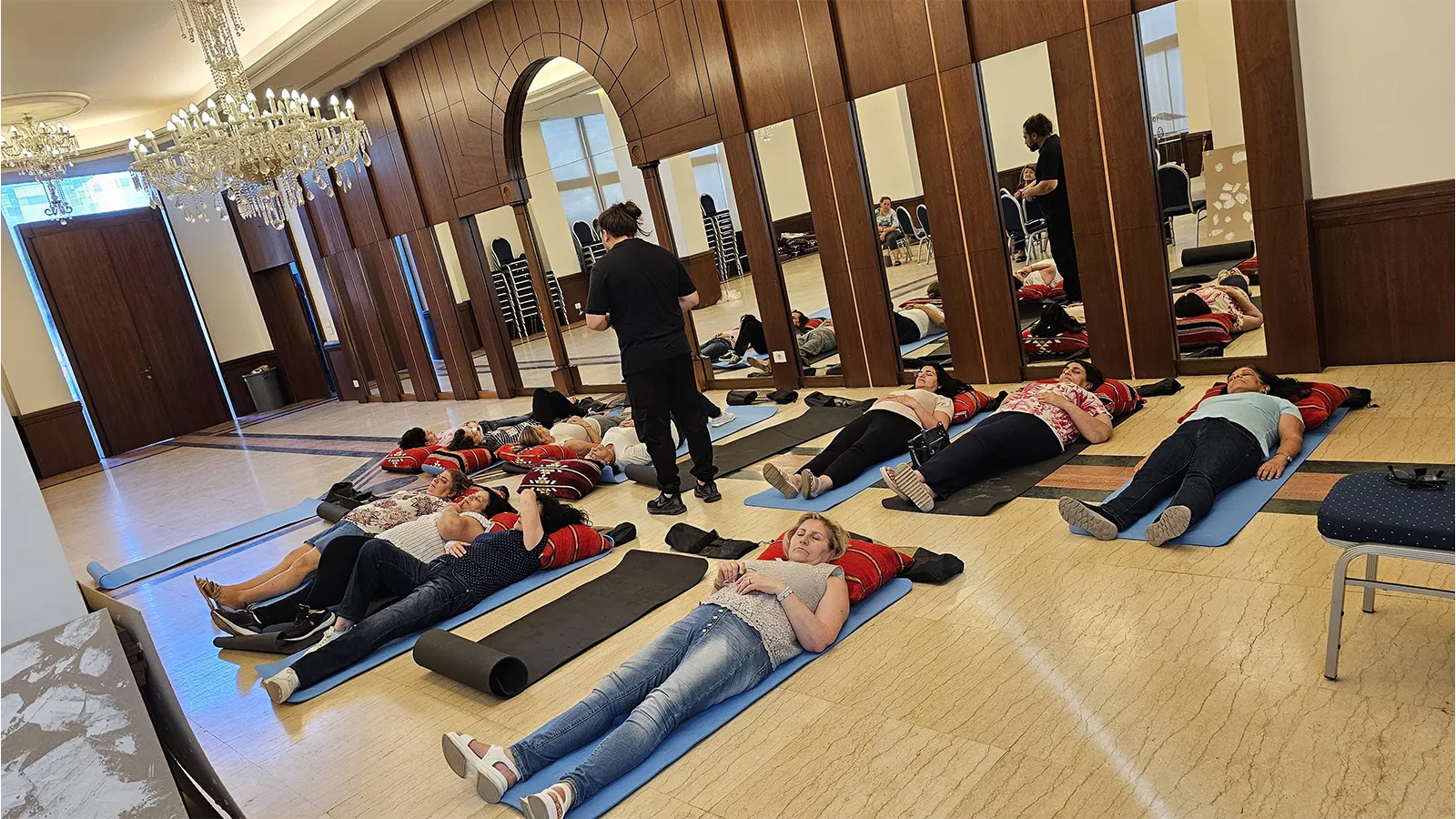
Community-based awareness, professional referrals, caregiver education, and carefully facilitated group support can help reduce isolation and connect people with appropriate services.
Using existing community spaces and reusable educational resources may also expand access while limiting implementation costs.
The cost of leaving traumatic distress unaddressed can extend from individual suffering to increased family strain, pressure on health and protection services, and broader social consequences.
Zati Lebanon Association’s Perspective: Compassion Must Never Replace Accountability
At Zati Lebanon Association, we advocate for a trauma-informed understanding of human behavior that respects psychological complexity without excusing violence or neglecting children’s rights.
A public gesture of forgiveness may communicate many things, but it cannot reveal the full psychological reality of the individual involved.
We must therefore avoid diagnosing people from isolated moments or judging their grief against our own expectations.
Instead, communities should encourage healthy boundaries, evidence-informed psychological support, family education, child protection, and appropriate accountability.
A supportive society must make room for both compassion and justice.
Final Reflection: Forgiveness Does Not Erase Responsibility
Perhaps the most important question is not how someone can forgive an unimaginable loss, but whether society understands the difference between personal forgiveness and collective responsibility.
No individual should be forced to forgive in order to demonstrate strength.
No family relationship should require silence in the face of violence.
And no child’s right to protection should depend on whether an adult chooses reconciliation.
Forgiveness may be personal. Accountability remains essential. And children’s rights must never become invisible behind the emotions of adults.
Editorial note: The opening scenario is presented for psychological discussion, not as a verified account or clinical assessment of any identifiable individual. Allegations are not findings of guilt.
This article is intended for educational purposes and does not replace psychological assessment, legal advice, or professional child protection intervention – Mental Health NGO – Analysis
For Visual and Audible version check Zati Lebanon Association Youtube Channel