

Emotional Exhaustion: Understanding the psychology of compassion, healthy boundaries, and personal responsibility.
Is Everyone Who Needs Help Ready to Accept It?
Some people seem naturally able to understand others, recognize their suffering, and respond with compassion. Others develop these abilities through personal experiences that teach them the meaning of vulnerability and support. Still others may spend years struggling to understand their own needs or ask for help.
But a deeper question remains: Is everyone who needs help emotionally ready to receive it?
In human relationships, we sometimes believe that love, attention, and constant advice are enough to change someone’s life. Yet psychological reality is more complex.
We may offer our time, opportunities, and emotional support, only to find that the person repeatedly returns to familiar patterns.
This does not necessarily mean they refuse to change. They may fear uncertainty, lack the necessary resources, or experience psychological difficulties that currently limit their ability to move forward.
This is where the distinction between supporting someone and taking responsibility for their life becomes essential.
Why Can’t We Change Others Despite Our Best Efforts?
According to Self-Determination Theory, developed by Richard Ryan and Edward Deci (2000), psychological motivation is influenced by three fundamental needs: autonomy, competence, and relatedness.
The theory suggests that people are better positioned to embrace meaningful change when they feel that their decisions reflect personal choice and that they have the skills and support necessary to act.
Excessive helping may therefore become counterproductive when we continuously decide what another person should do or solve their problems without involving them.
Even when intentions are positive, support that undermines autonomy may weaken someone’s confidence in managing their own circumstances.
Effective help should strengthen a person’s capacity to act rather than create unnecessary dependence.
When Helping Others Leads to Emotional Exhaustion
Providing support can become emotionally draining when responsibilities continue without clear boundaries or opportunities for recovery.
A 2021 systematic review and meta-analysis, examining 74 studies involving informal caregivers, identified an association between perceived caregiving burden and anxiety symptoms.
Although these findings primarily concern caregiving relationships, they highlight the psychological importance of recognizing emotional responsibilities and personal limits.
5 Signs That Helping Others Is Becoming Emotionally Exhausting
1. Persistent feelings of guilt
You believe you are responsible for another person’s suffering, decisions, or inability to change.
2. Neglecting your own needs
Your sleep, personal wellbeing, and emotional health begin to deteriorate because you are constantly focused on someone else’s difficulties.
3. Taking responsibility for their decisions
You repeatedly intervene to resolve consequences without leaving the other person appropriate opportunities to exercise responsibility and independence.
4. Feeling exhausted or resentful
Helping gradually changes from a voluntary expression of care into an obligation you feel unable to refuse.
5. An increasingly one-sided relationship
You become the only person consistently searching for solutions, while meaningful collaboration or participation remains limited.
These experiences are not clinical diagnostic criteria. However, they may indicate that the relationship and the way support is provided need to be reconsidered.
Is More Help Always Better? What Research Reveals
In a study published by Bolger and colleagues (2000), researchers found that certain forms of indirect or less visible social support helped participants adjust to stressful experiences.
Similarly, Zee and Bolger (2019) discussed how visible support may sometimes have unintended psychological consequences, depending on how assistance is delivered and how it is perceived.
These findings suggest that effective support is not necessarily the most frequent or intensive support.
Instead, helpful assistance should respond to the person’s circumstances, preserve dignity, and encourage autonomy.
Rather than immediately offering solutions, we might ask:
“What kind of support would be helpful to you right now?”
Or:
“How can I support you without making the decision for you?”
Sometimes, listening carefully is more valuable than providing another piece of advice.
When Is Stepping Back a Healthy Decision?
Healthy boundaries do not mean abandoning someone or punishing them for struggling to change.
Stepping back may involve reducing unnecessary intervention, limiting repeated unsolicited advice, establishing realistic boundaries around time and emotional energy, or encouraging professional support.
However, being unwilling to change is not the same as being unable to change.
Depression, psychological trauma, disability, financial hardship, or overwhelming circumstances may limit a person’s ability to act independently.
In these situations, the appropriate response may be additional support, accessible accommodations, or professional intervention rather than sudden withdrawal.
If there is an immediate risk of harm to the person or others, safety and access to appropriate emergency or professional assistance must take priority.
Healthy emotional boundaries do not eliminate compassion. They make support more sustainable and respectful for everyone involved.
From Individual Compassion to a Culture of Mental Health Support in Lebanon
At Zati Lebanon Association, we believe that psychological wellbeing is strengthened through relationships based on compassion, autonomy, and shared responsibility.
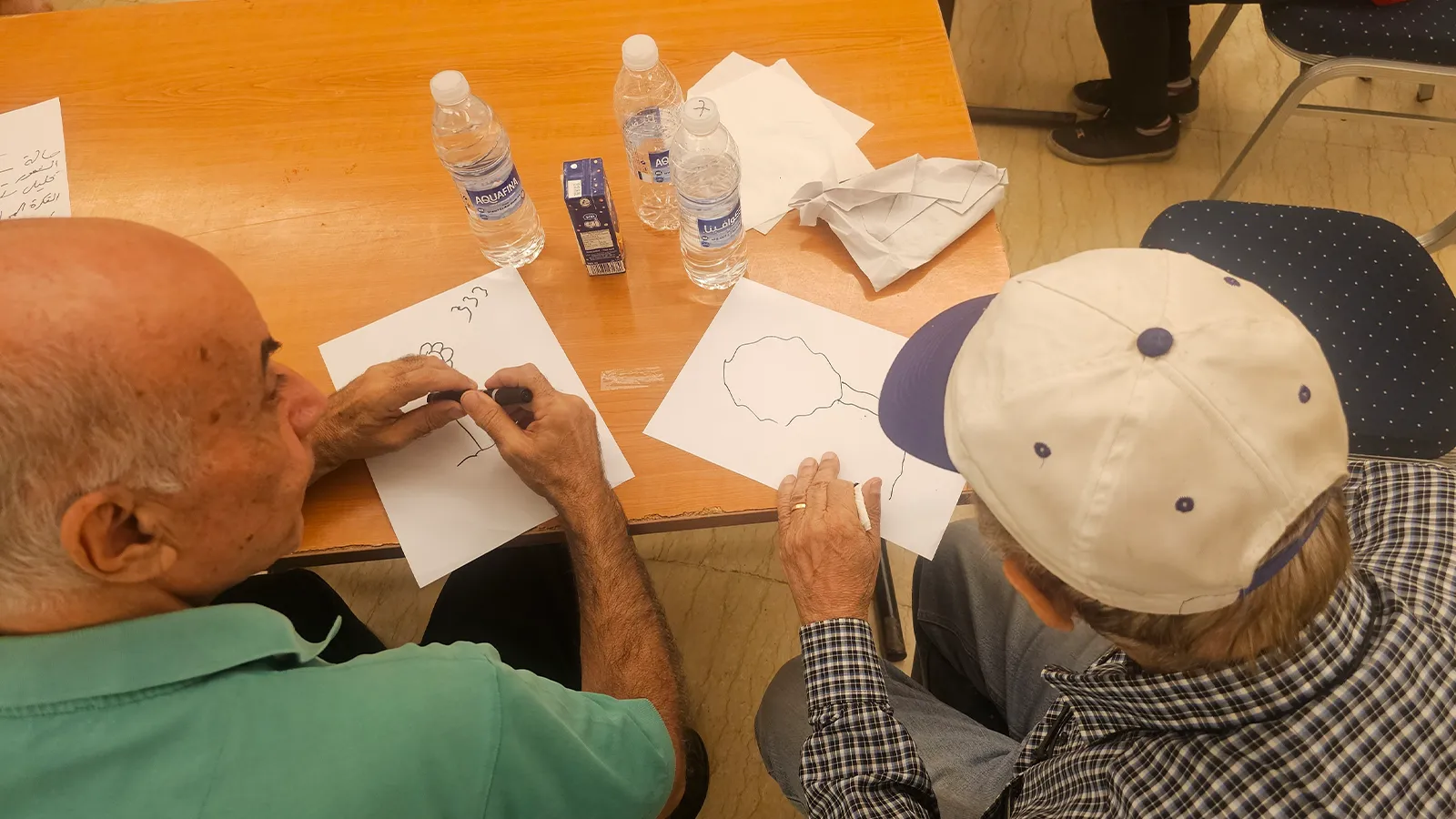
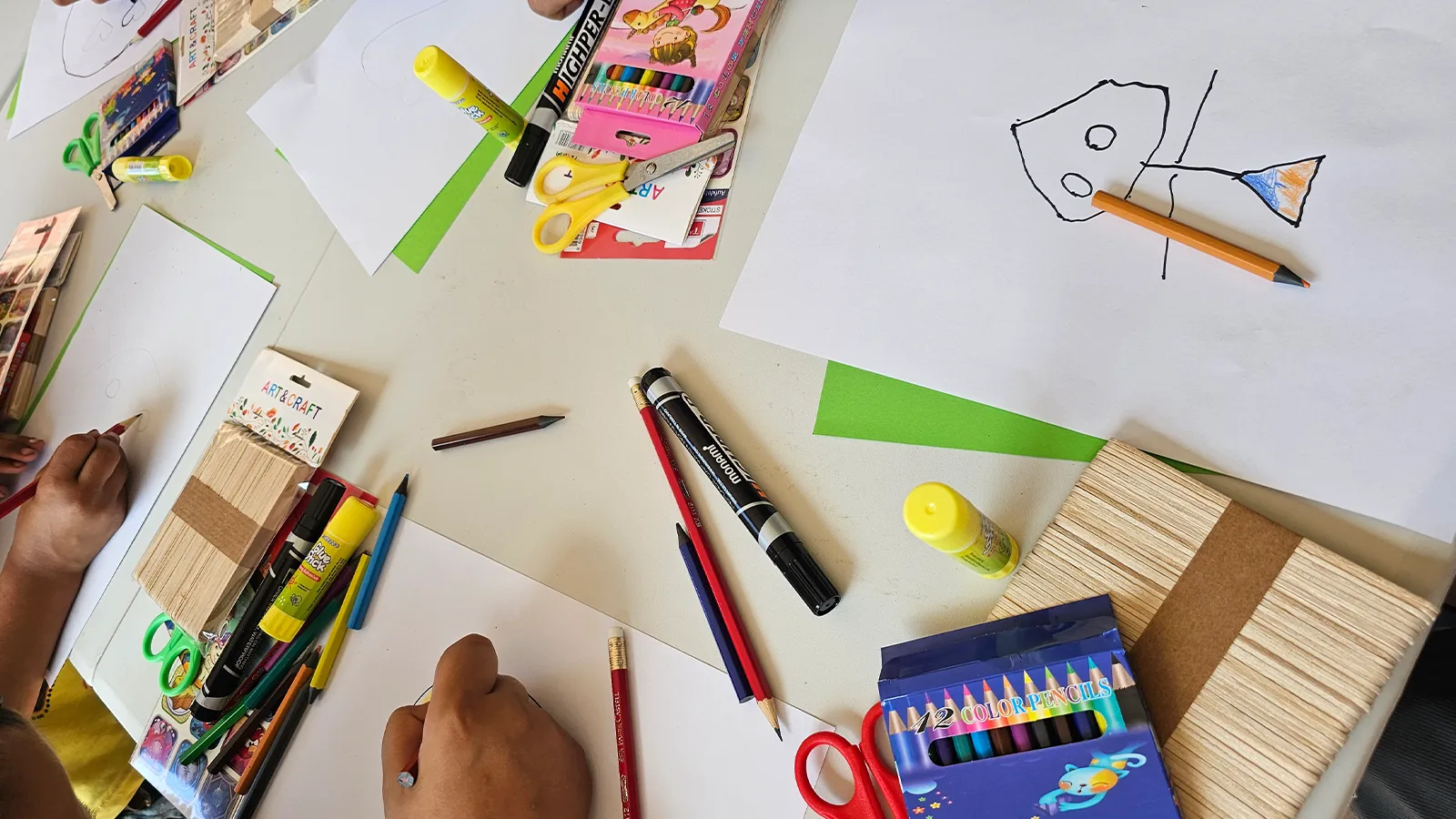
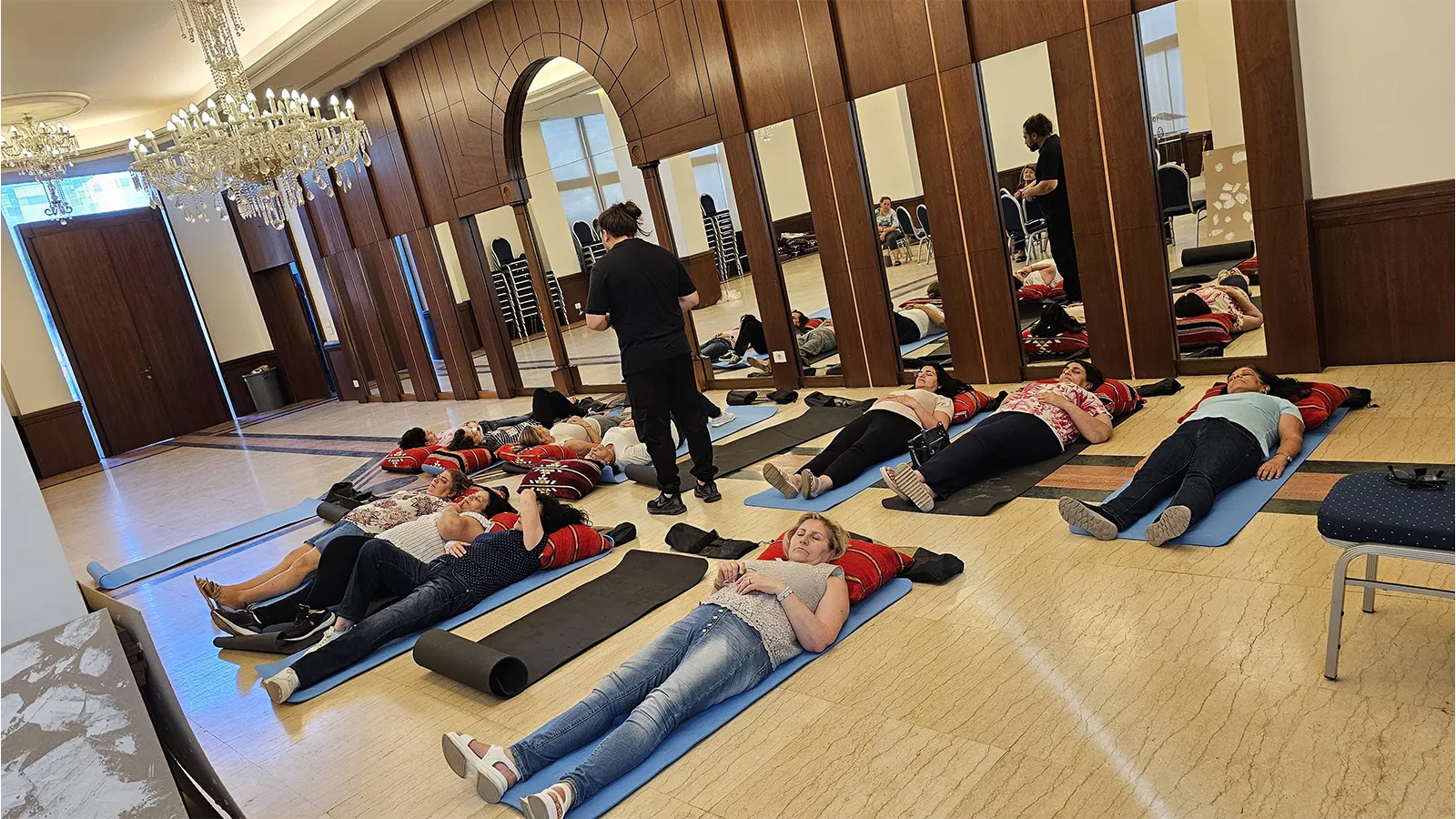
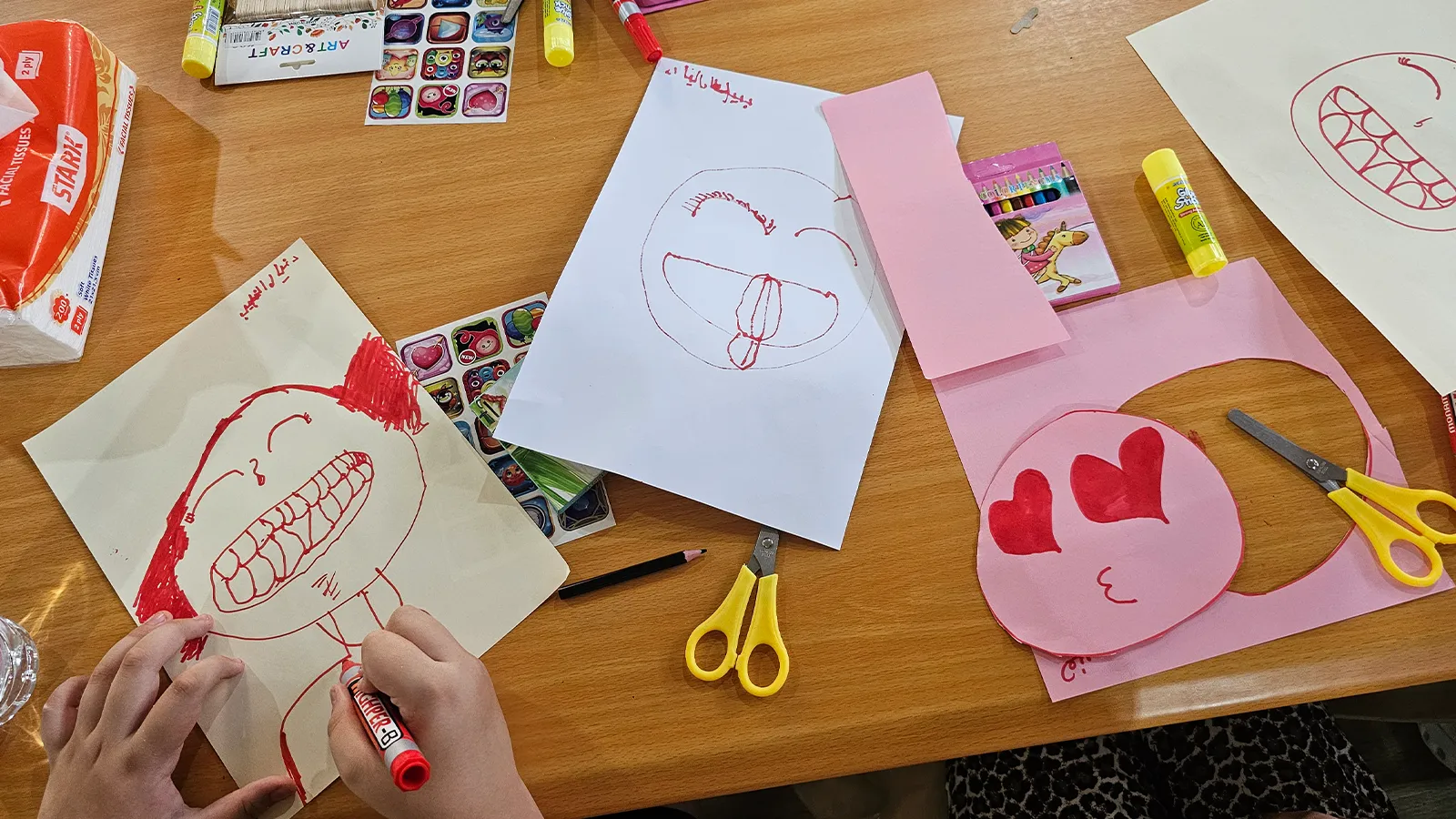
Mental health awareness, group-based psychosocial support, caregiver education, and practical coping resources can help individuals and families develop healthier ways of supporting one another.
Using existing community spaces, reusable educational materials, and appropriately facilitated group activities can also make psychosocial support more accessible and cost-efficient.
Conversely, ignoring emotional exhaustion may contribute to increased individual distress, greater pressure within families, and additional burdens on community and healthcare services.
For further insights into community-based mental health support, explore Zati’s article on Teacher Mental Health in Lebanon.
Ultimately, we need to learn how to help others without losing ourselves and how to encourage change without attempting to control it.
Final Reflection: You Can Open the Door, but You Cannot Walk the Journey for Someone Else
Emotional maturity is not measured by how many people we can rescue. It is reflected in our ability to recognize the limits of our responsibility.
We can listen, encourage, offer resources, create opportunities, and support someone in seeking help. But we cannot make every decision or experience personal change on another person’s behalf.
Sometimes, the most constructive form of support is to give someone the space to take their next step while allowing ourselves to step back without guilt.
You can open the door for someone, but you cannot force them to walk through it.
This article is intended for psychological education and awareness. It does not replace professional mental health assessment or treatment.
Watch the Youtube video version: When Should You Stop Helping Someone? — Zati Lebanon Association